

Let me say this in my defense: the hypogeum at Capua is very good.
My wife will tell you that I vanish into ancient sites and resurface hours later, dusty and unrepentant. She’ll entertain dinner parties with us crawling through acqueducts, hours spent on the Acropolis and evenings meandering through landfills to find a temple. All of this is true. But the Via Appia is the one road trip where disappearing is the whole point. I’ve been an archaeologist for most of my adult life, and I still think it’s the best drive in Italy: three-hundred-odd miles from Rome to Brindisi that read like a cross-section of the Roman mind.
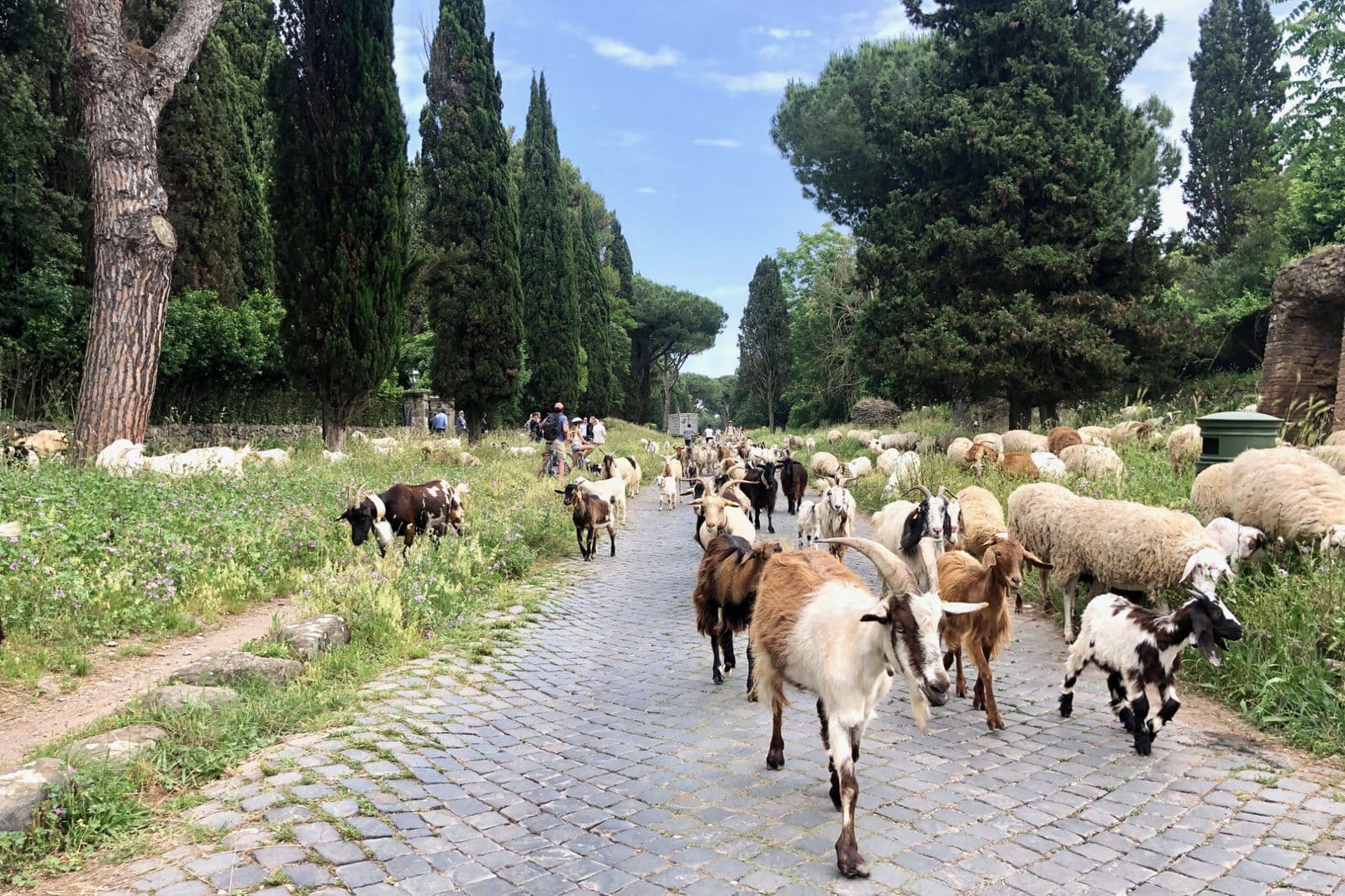
Start with the audacity. In 312 BC a censor named Appius Claudius decided the shortest distance between Rome and its ambitions was a straight line, then built one, through marsh and over mountain. Drive the pine-lined stretch toward Terracina and you feel it. The road simply refuses to turn. Romans didn’t go around problems. They surveyed them.
Terracina is where I get properly nerdy. Everyone looks up at the Temple of Jupiter Anxur on its cliff, and they should. I look at the cliff itself, the Pisco Montano, where Trajan’s engineers sliced away the rock so the road could hug the sea, then carved numerals into the face to record how deep they’d cut. It’s the ancient equivalent of signing your work, and nineteen centuries haven’t erased it.
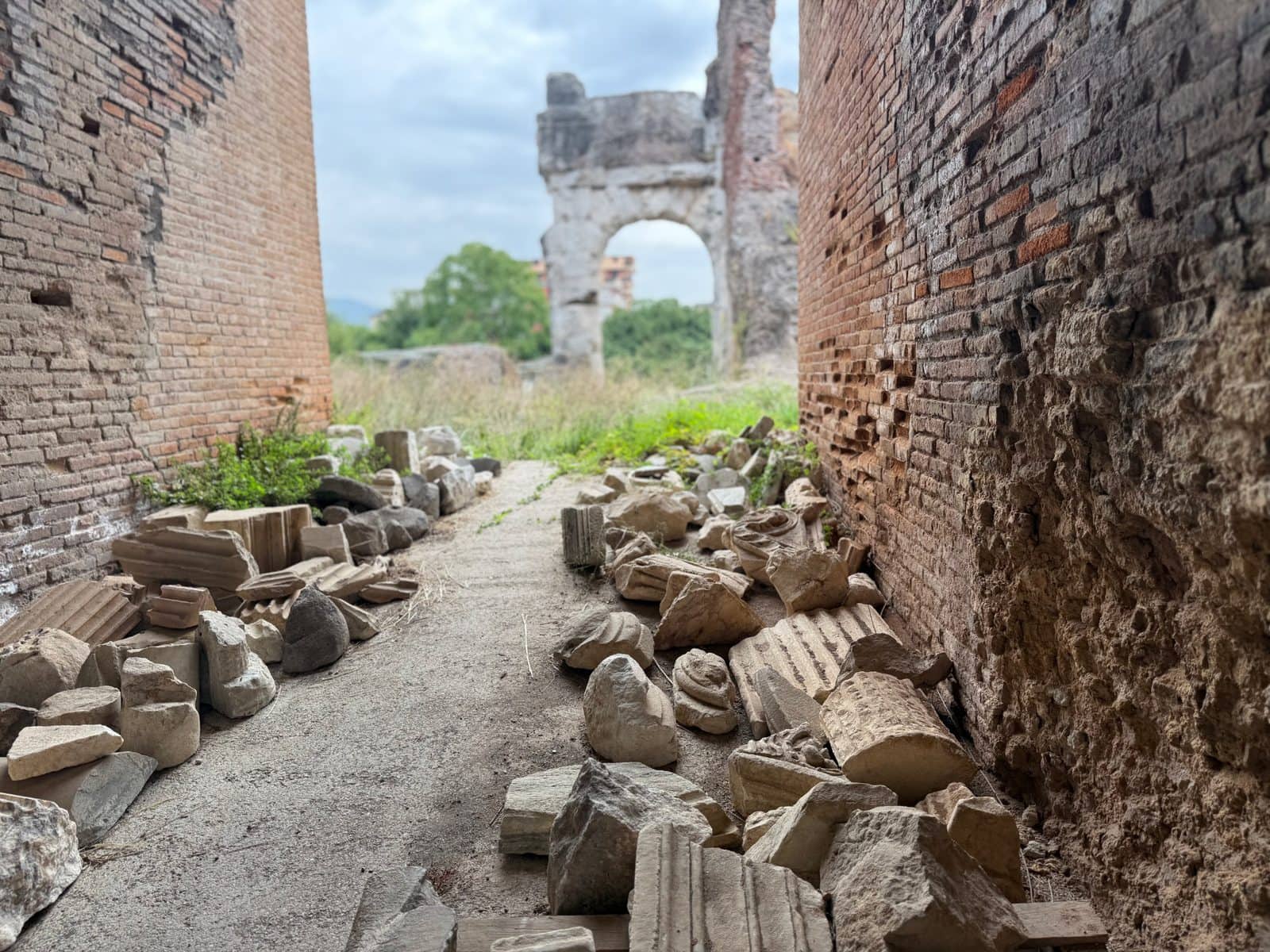
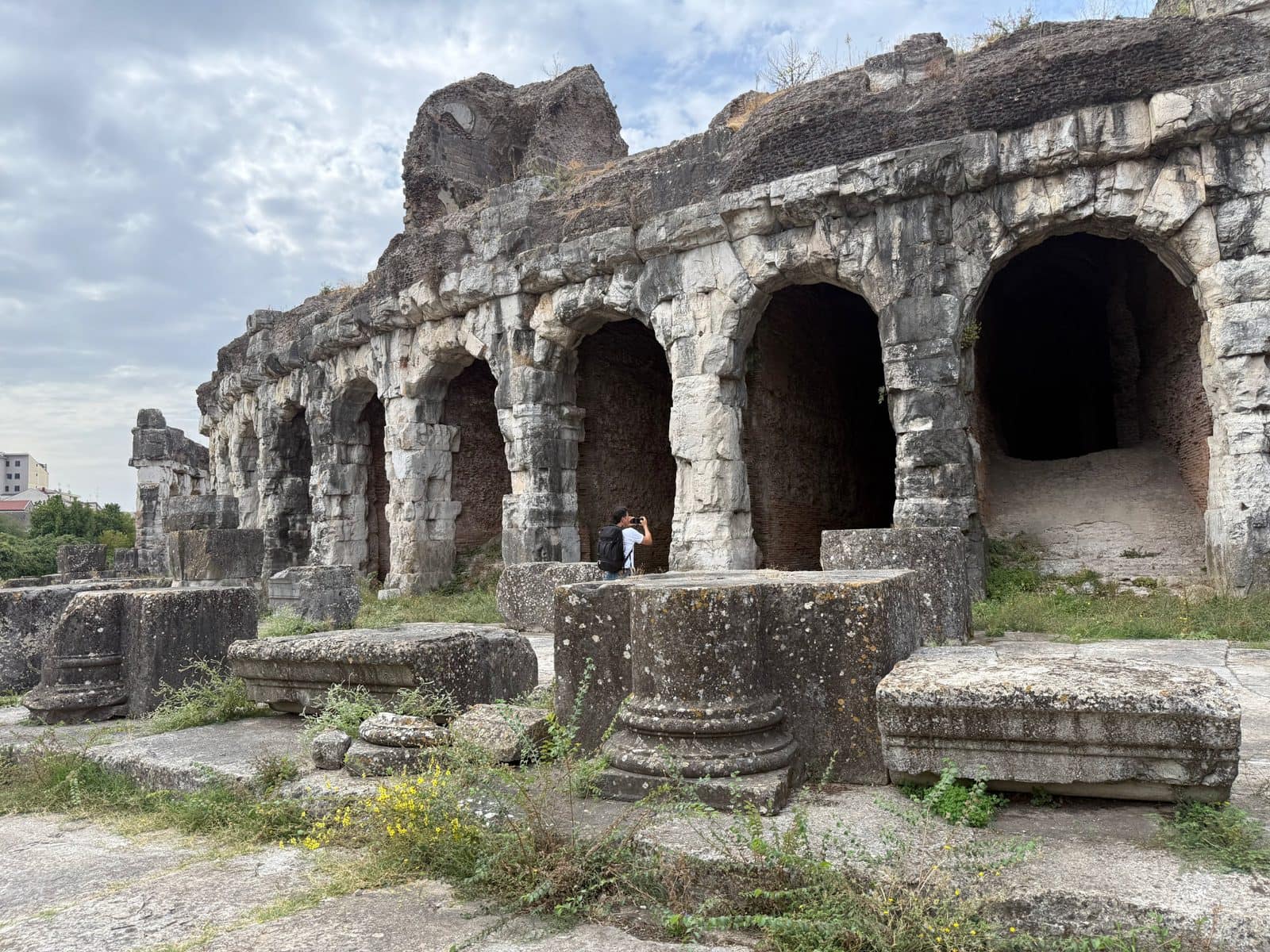
Then Capua, Spartacus’s town. He trained here, and in 73 BC he broke out of its gladiator school with some seventy men and gave Rome the fright of its life. Above ground, the arena is a magnificent ruin. Below, it’s a machine: corridors, shafts, the backstage where the spectacle was assembled. Down there you stop picturing gladiators as movie characters and start thinking about logistics, which is where Rome’s real genius lived. (This is why I lost track of time. Again.)
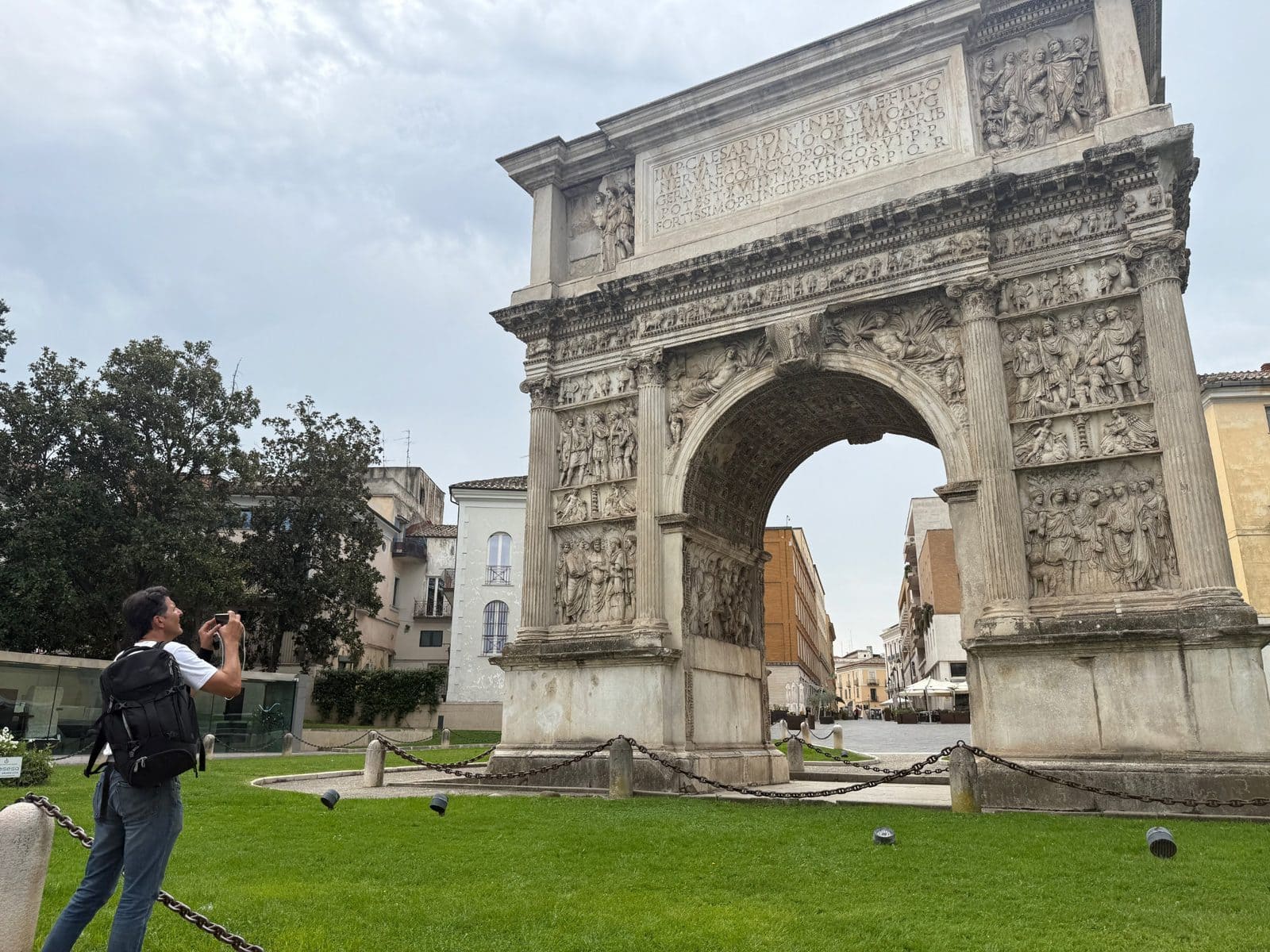
Benevento holds my favorite monument on the route, the Arch of Trajan. It’s a 52-foot political argument in marble, and nearly every panel is still legible: the emperor feeding children, greeting gods, distributing the benefits of empire. It also commemorates the Via Traiana, his faster route to Brindisi, which begins right here. So the arch is, among other things, a very elegant highway sign.
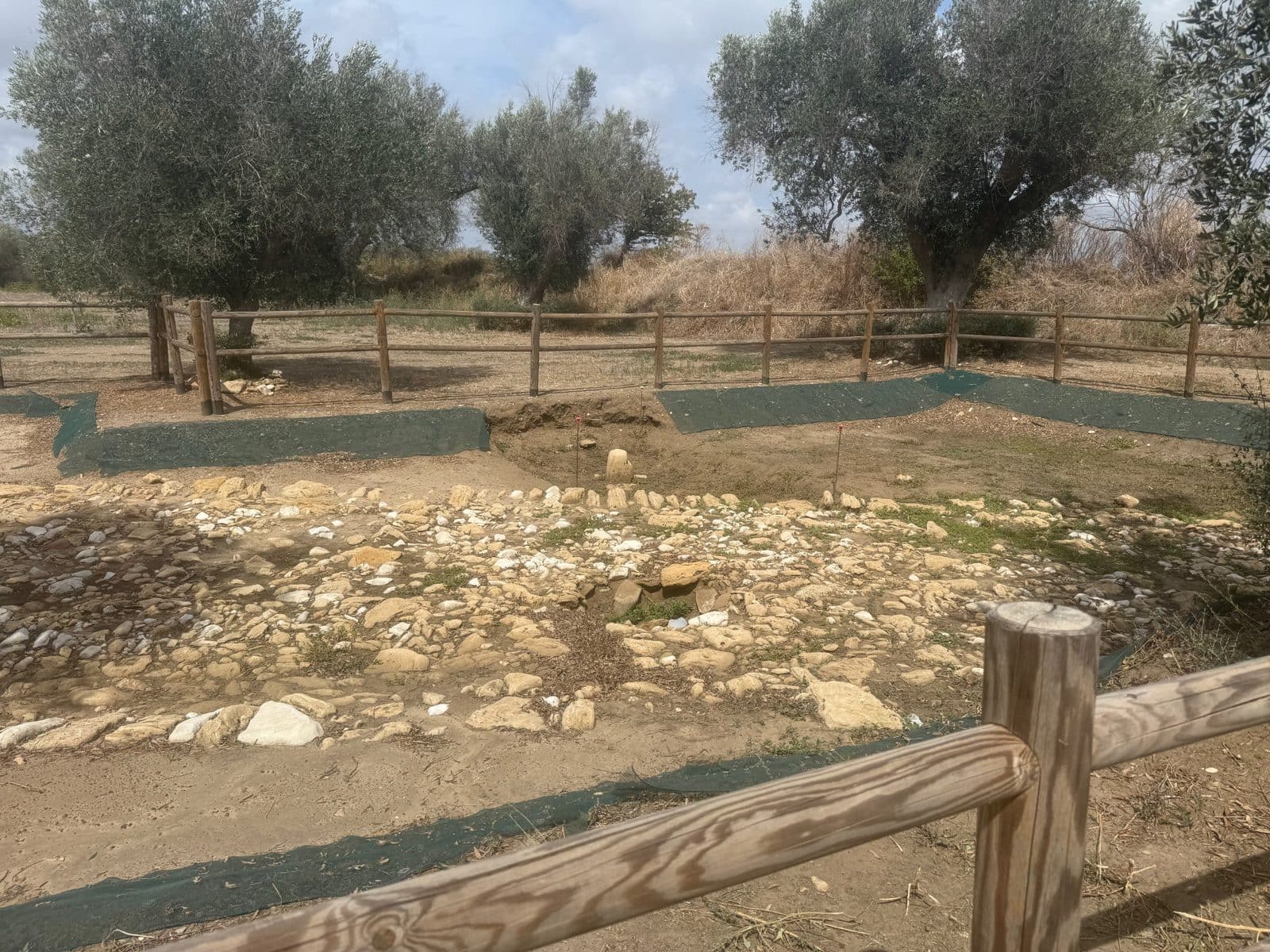
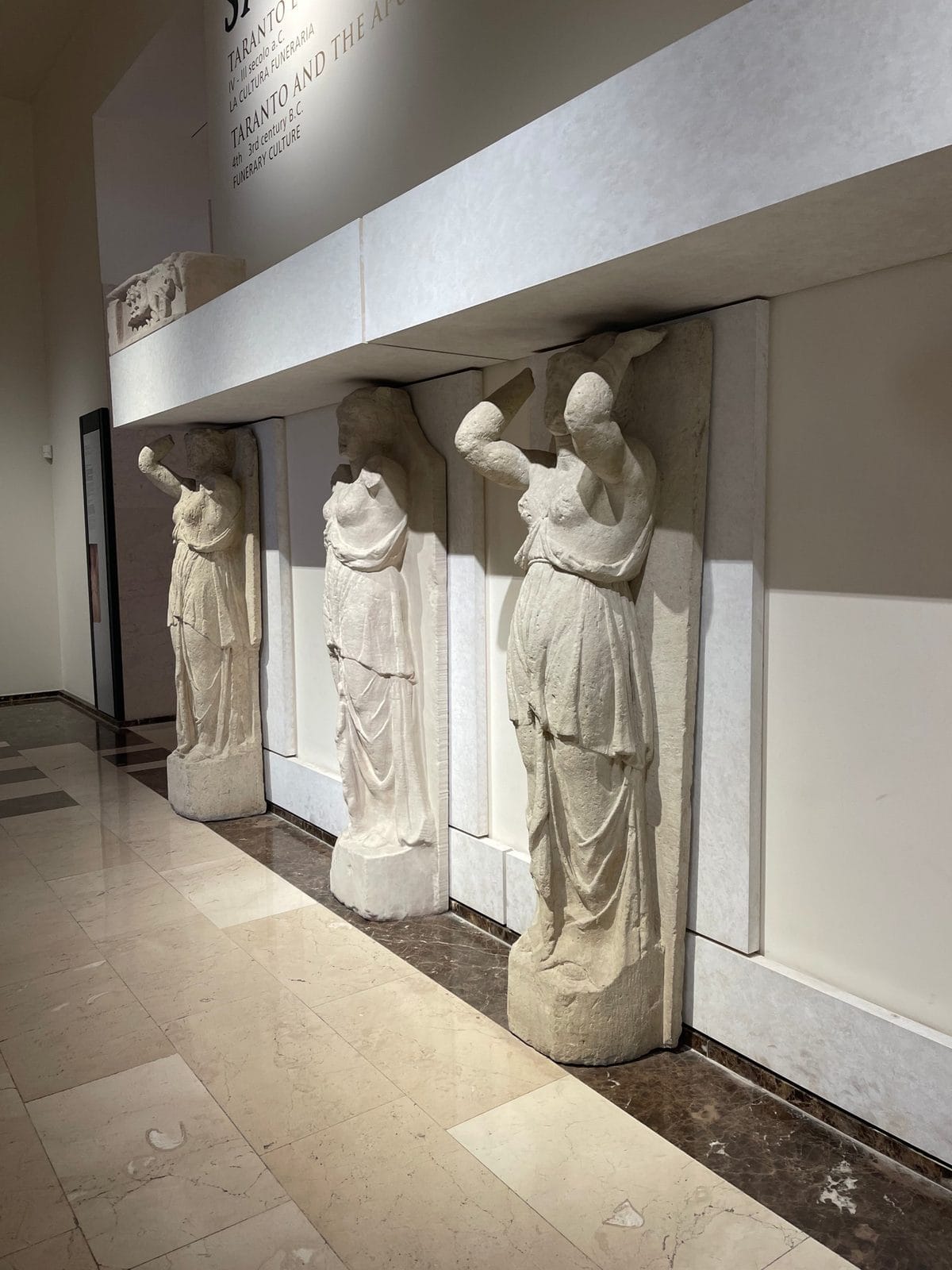
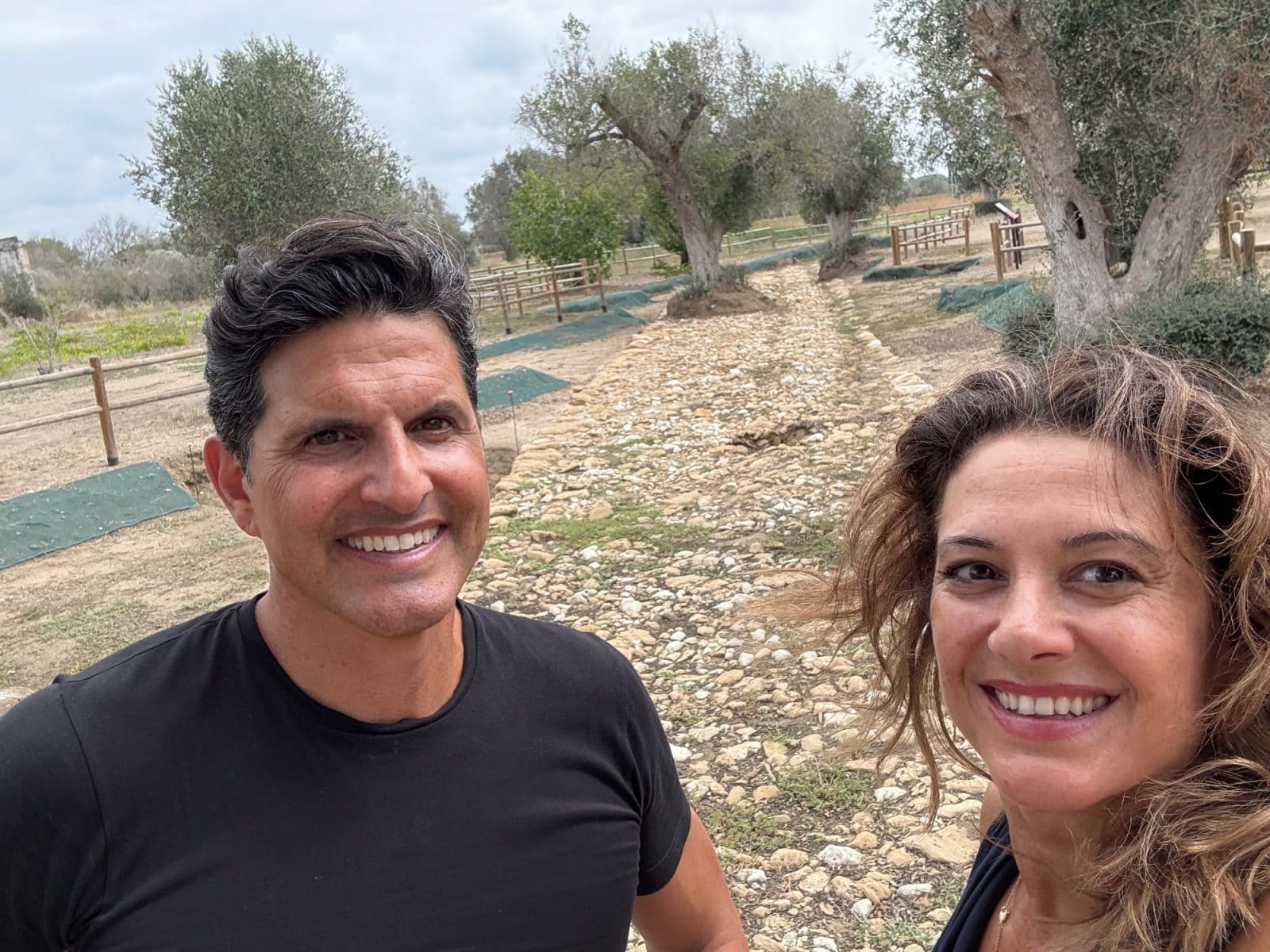
Farther south, the story gets older than Rome. In Taranto, two Doric columns stand in the old city, leftovers from a Spartan colony that was centuries old when the legions showed up. At Muro Tenente, among the olive trees, a surviving stretch of the Appia meets a settlement of the Messapians, the people who were here first. A decade ago, stops like this weren’t even accessible. That’s what I love most: this road isn’t finished. We’re still digging it up.
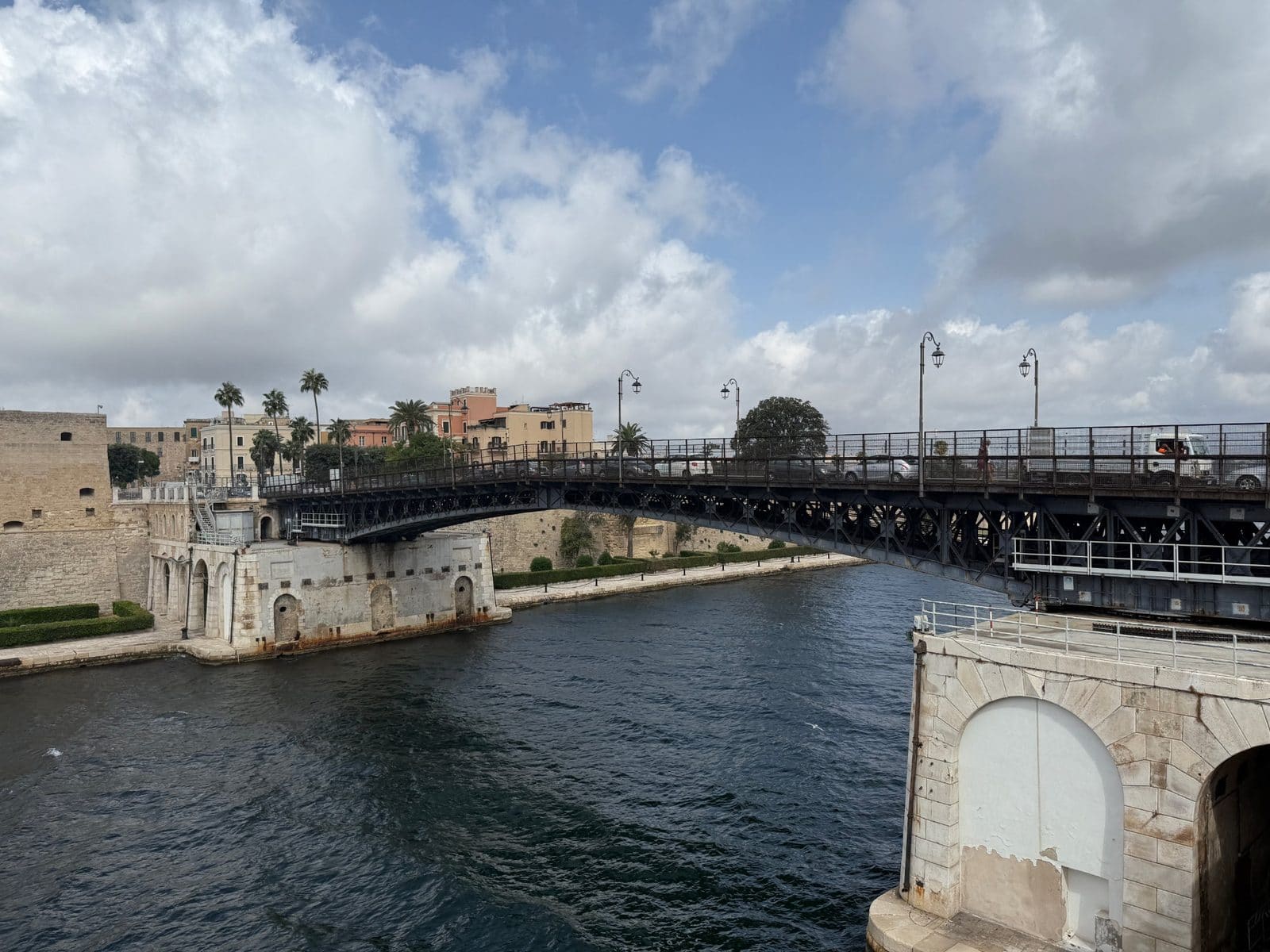
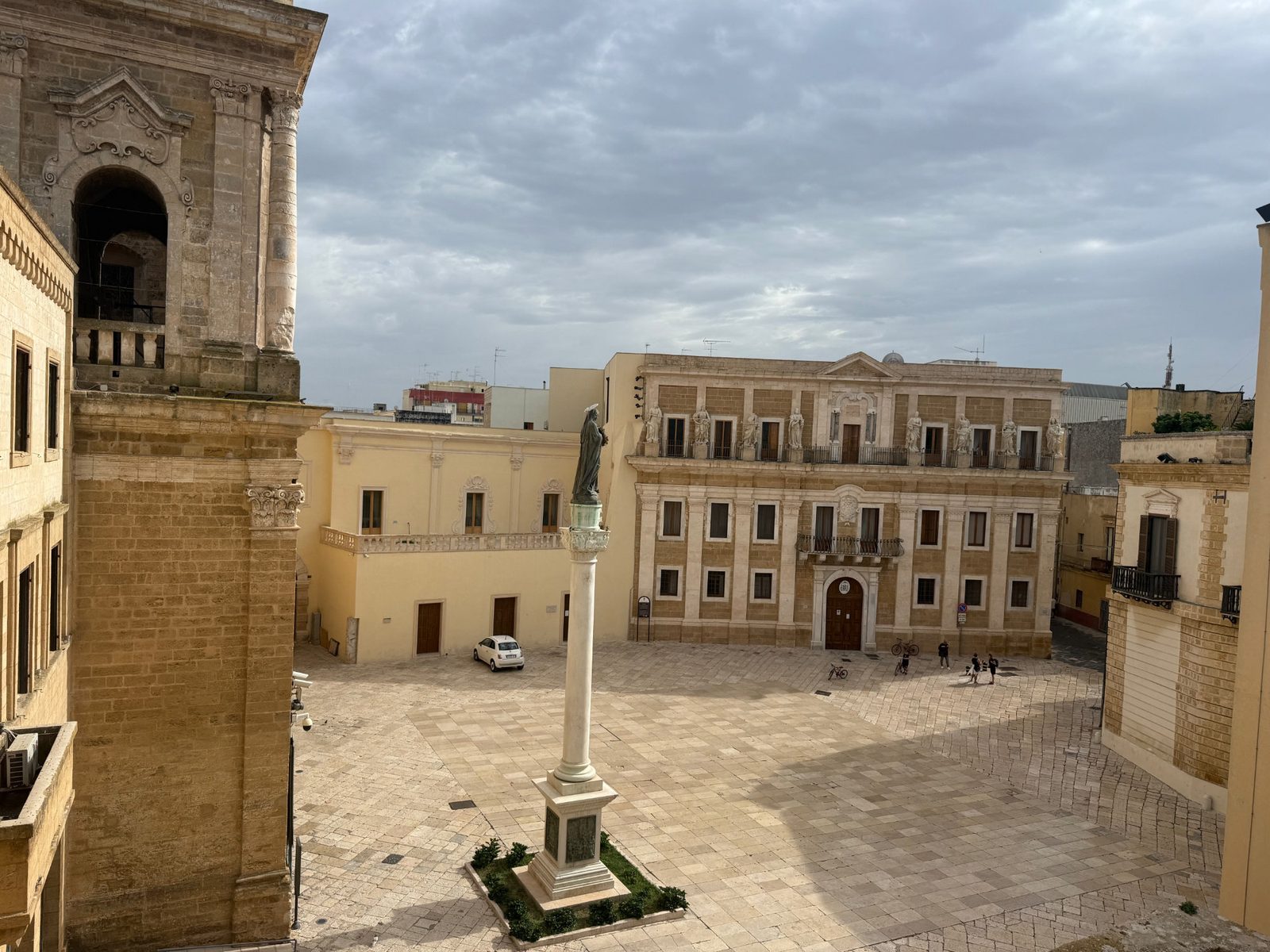
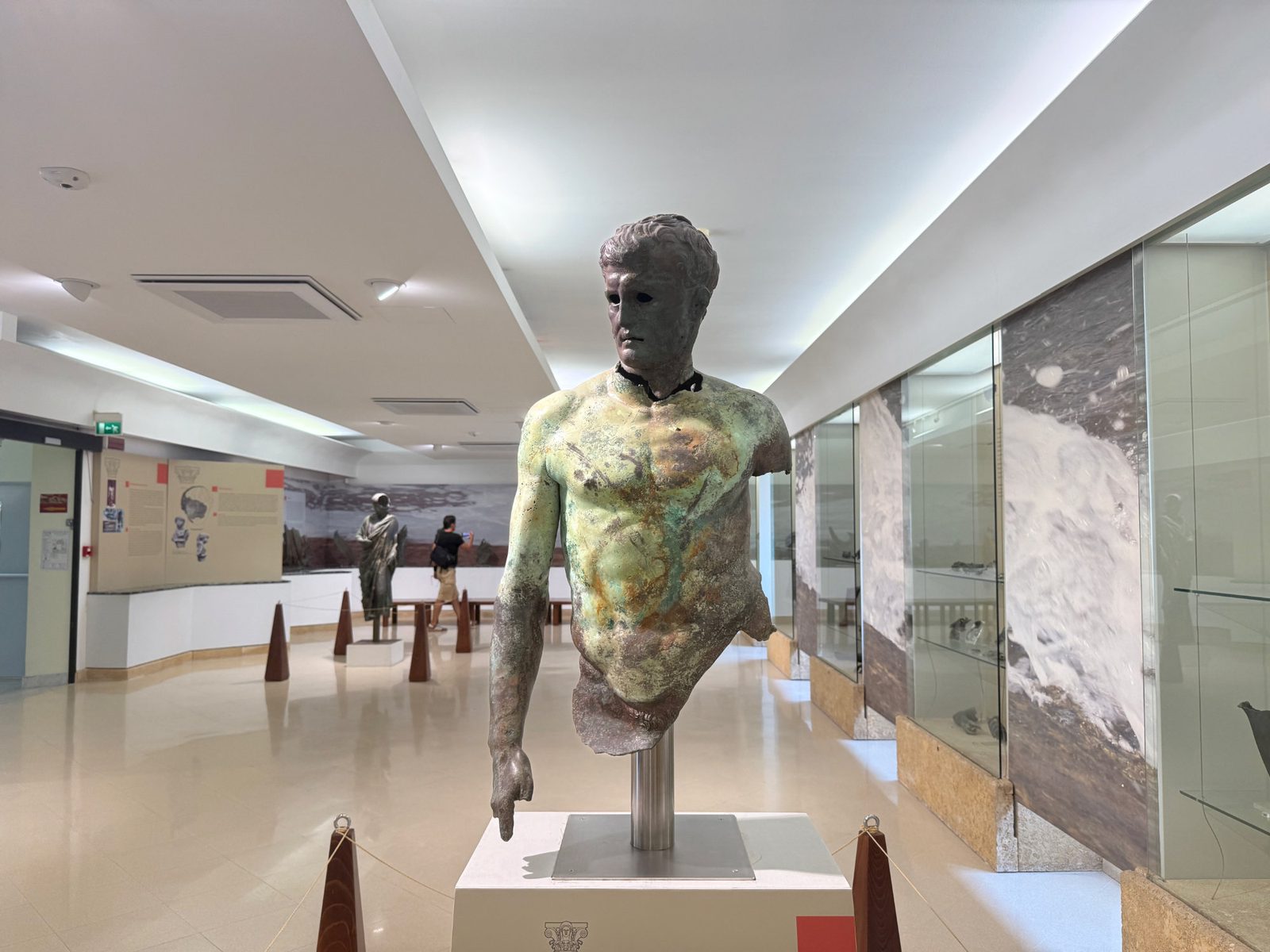
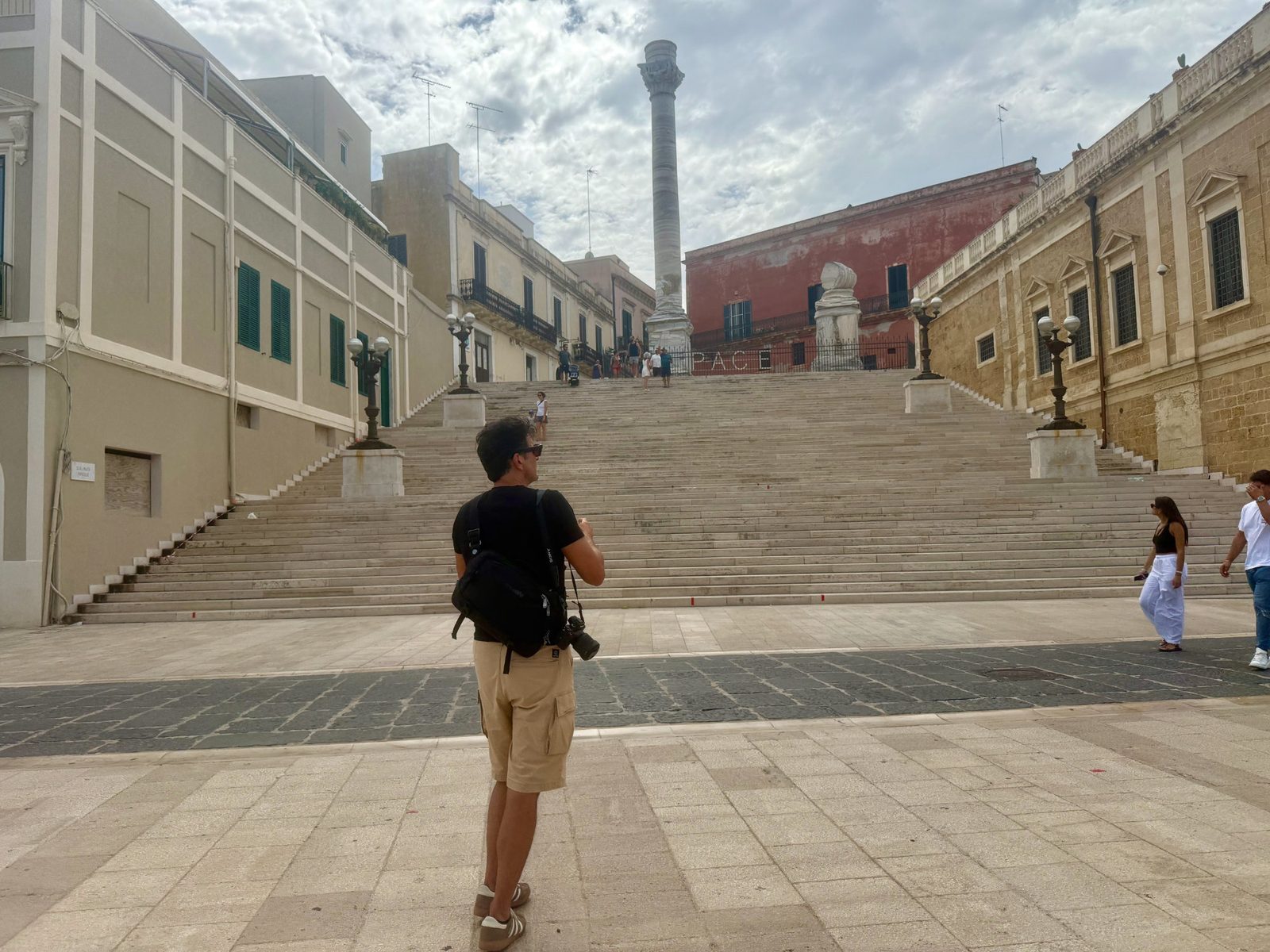
And then Brindisi, where the Appia runs out of land and hands you to the sea. Standing at that harbor, you realize the road was never really about Italy. It was aimed at Greece, at the East, at everything beyond.
I should add that this trip also features outstanding pizza, cream-filled bombe, and a rooftop Negroni. That’s my wife’s department, and she tells it better.
Read the entire trip in Erica’s T+L article.