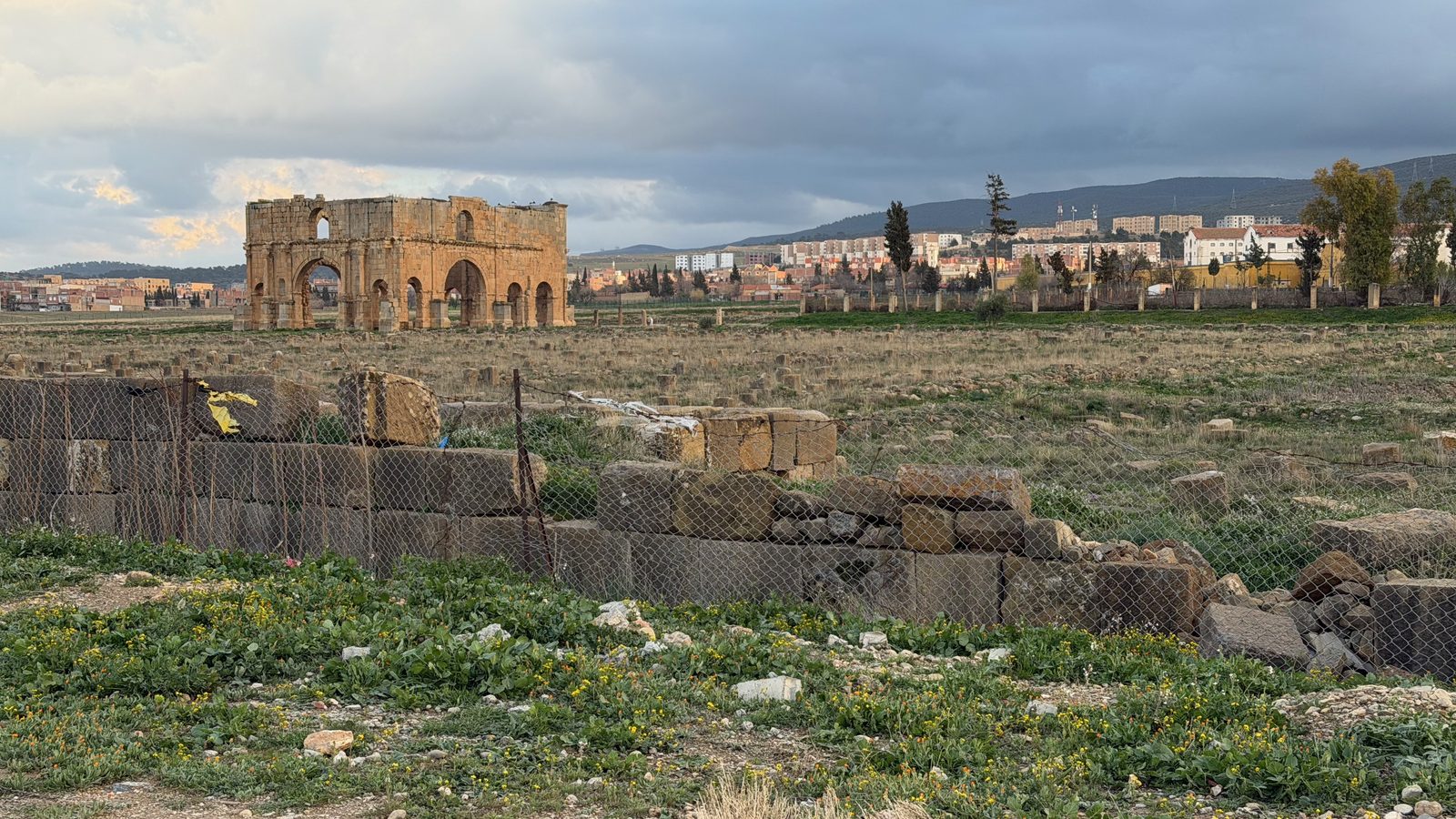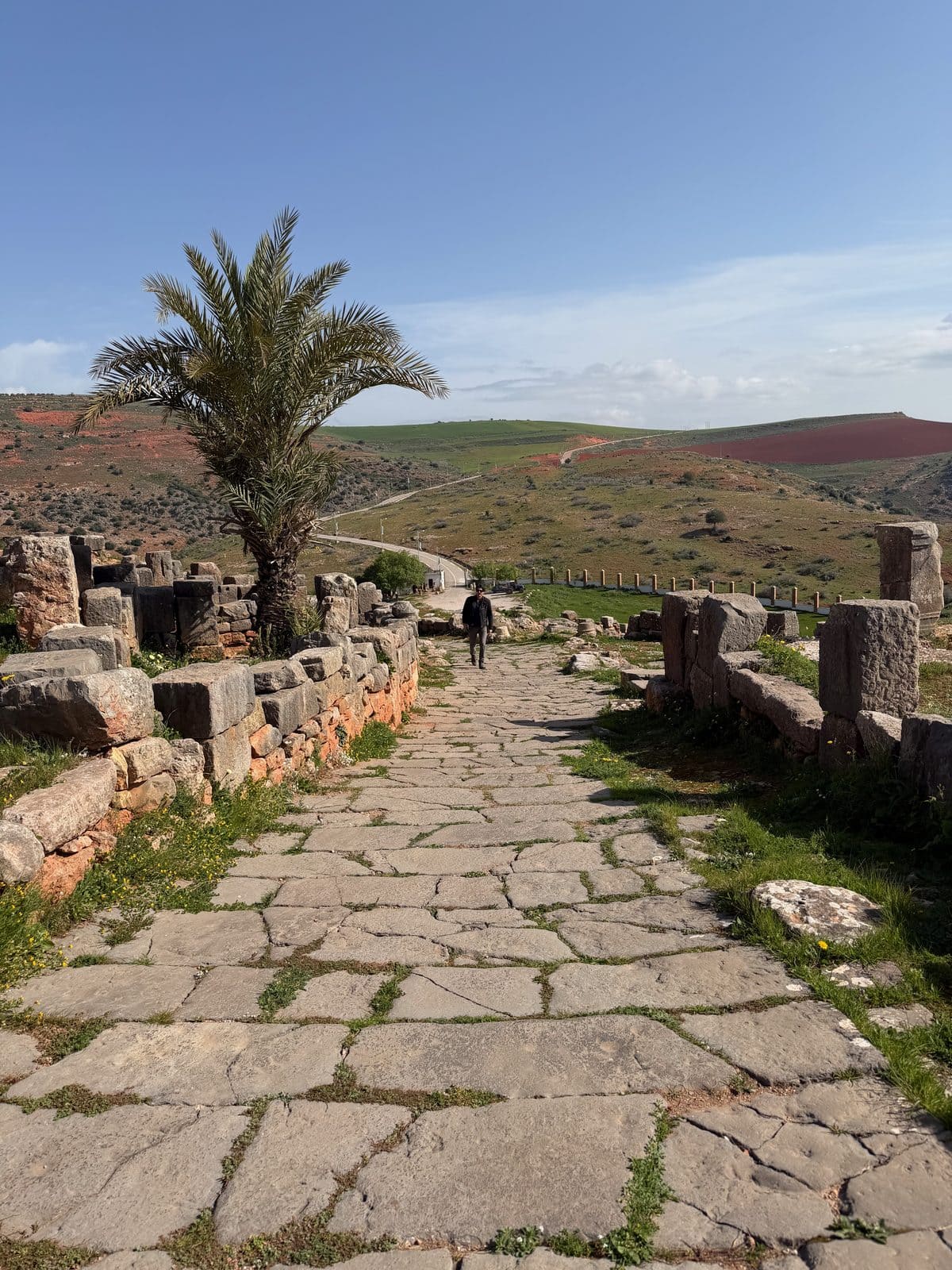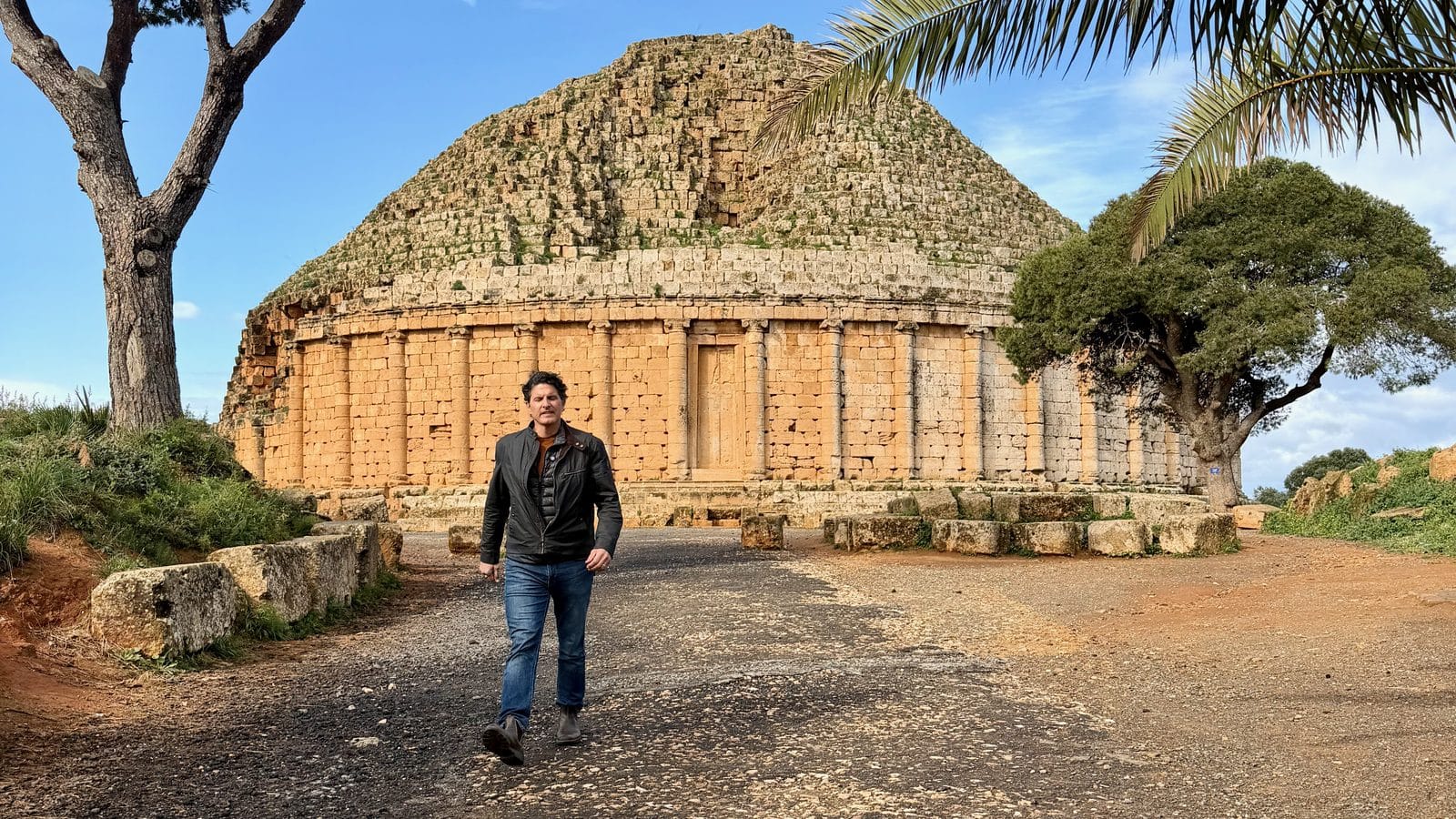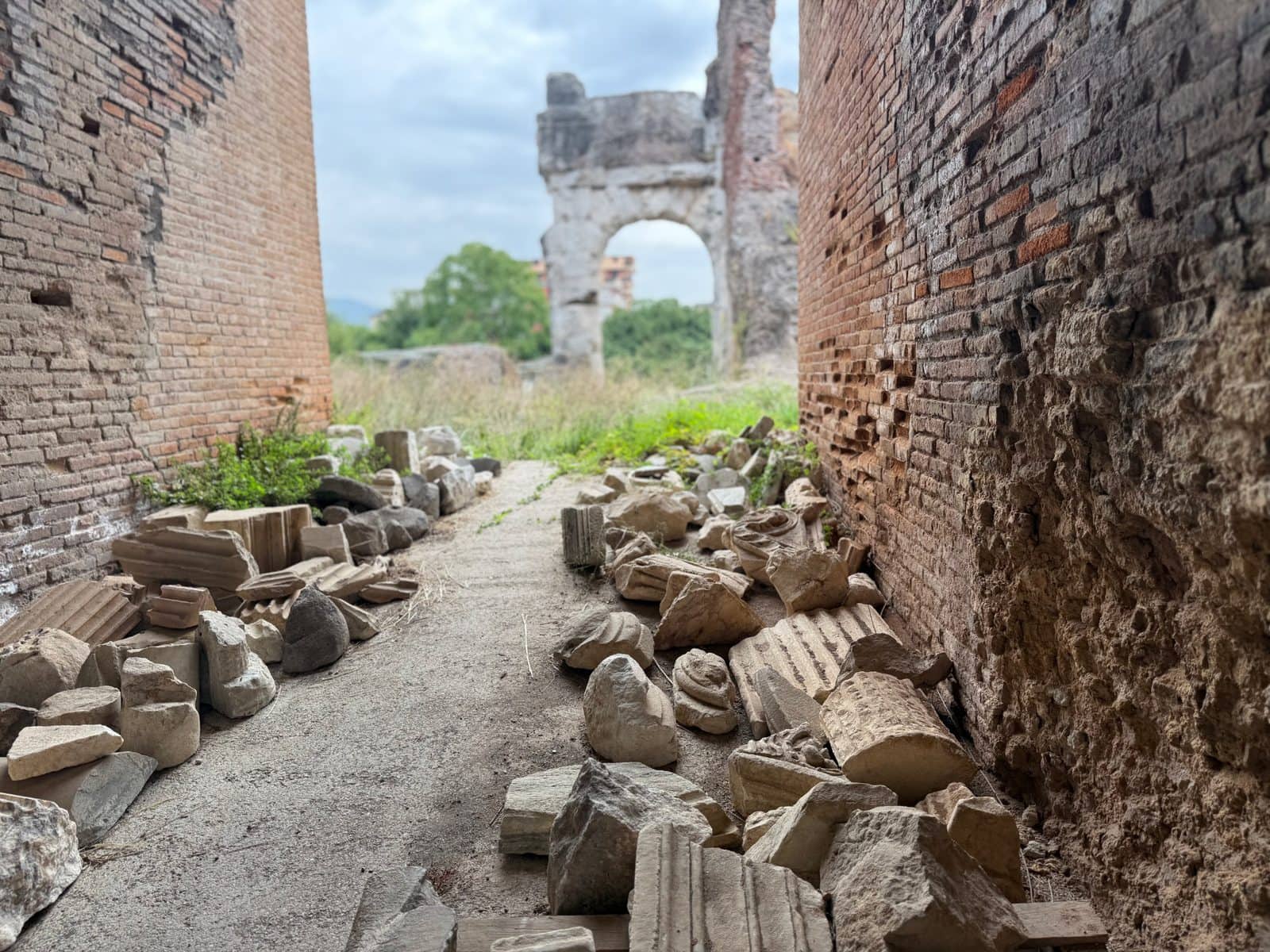

Two weeks, early spring, eight stops.
For years I’ve stood in Rome telling people where the empire’s bread came from, pointing vaguely south like a man giving directions to a place he’s never been. This spring I finally followed the grain to its source. Josephus swore that Africa fed Rome eight months of the year. He was probably rounding up, but cross the sea, climb into these lost cities, and you see exactly what the grain money bought.
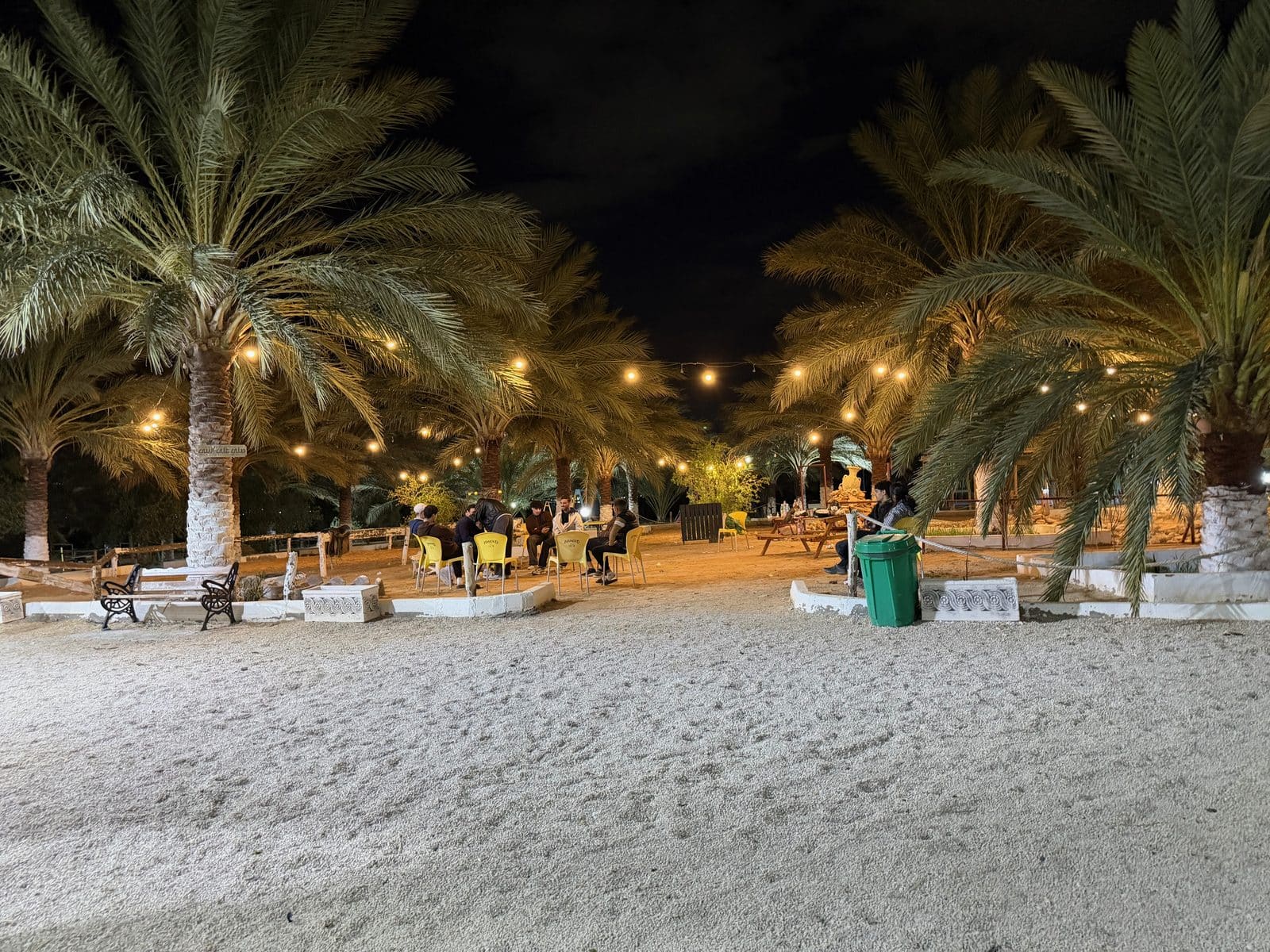
We spent two weeks on the road during the holy month of Ramadan. The days were long and silent, and we walked into one ancient city after another with no crowds and no queues, only us and two thousand years of stone. It’s the kind of luck archaeologists dream about and never get. Once the sun dropped, the nights came alive. We broke the fast alongside everyone else, at tables that were traditional, unhurried and generous beyond anything we’d earned.
What follows is the trail, stop by stop, as it went into the notebook.
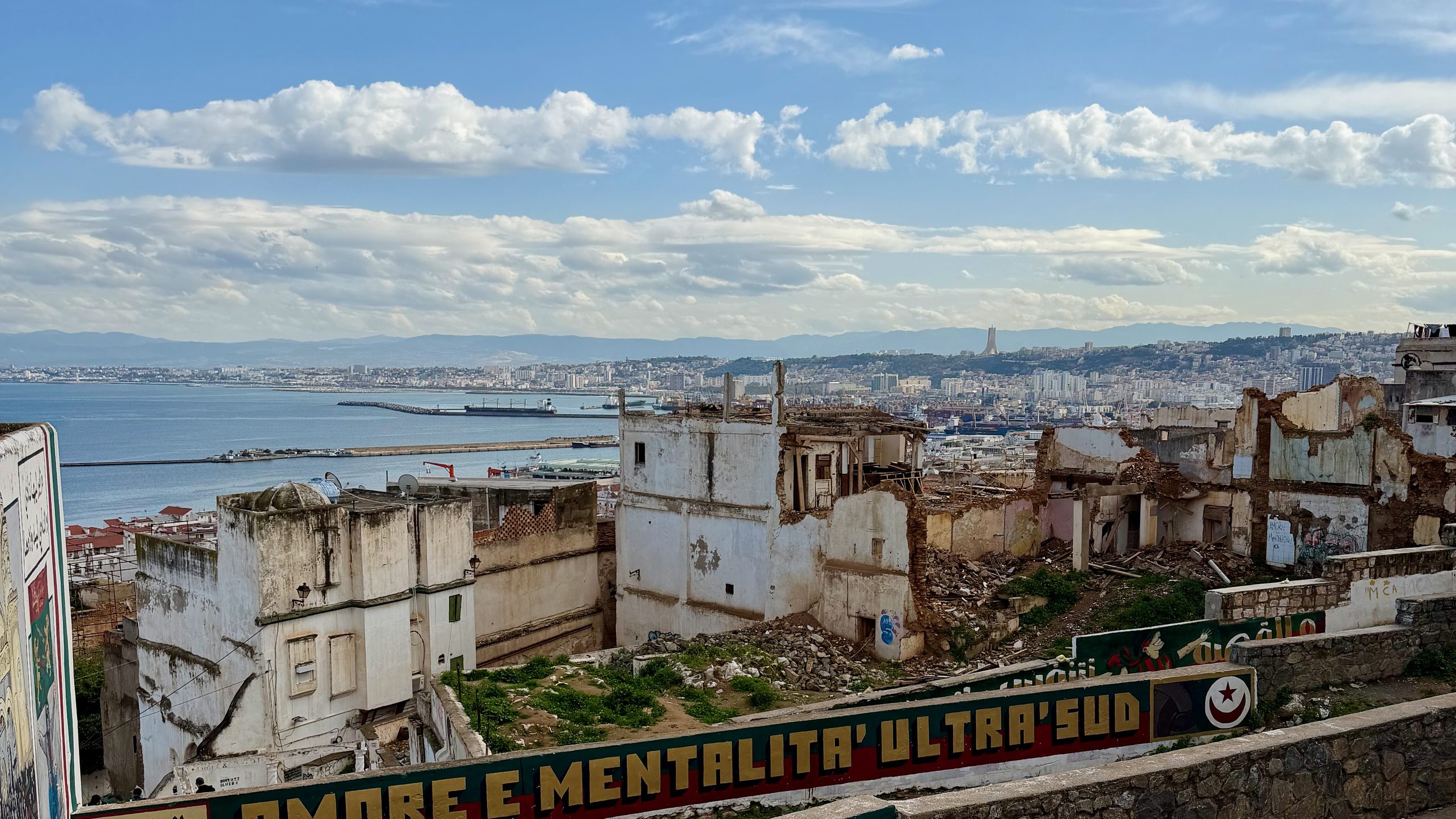
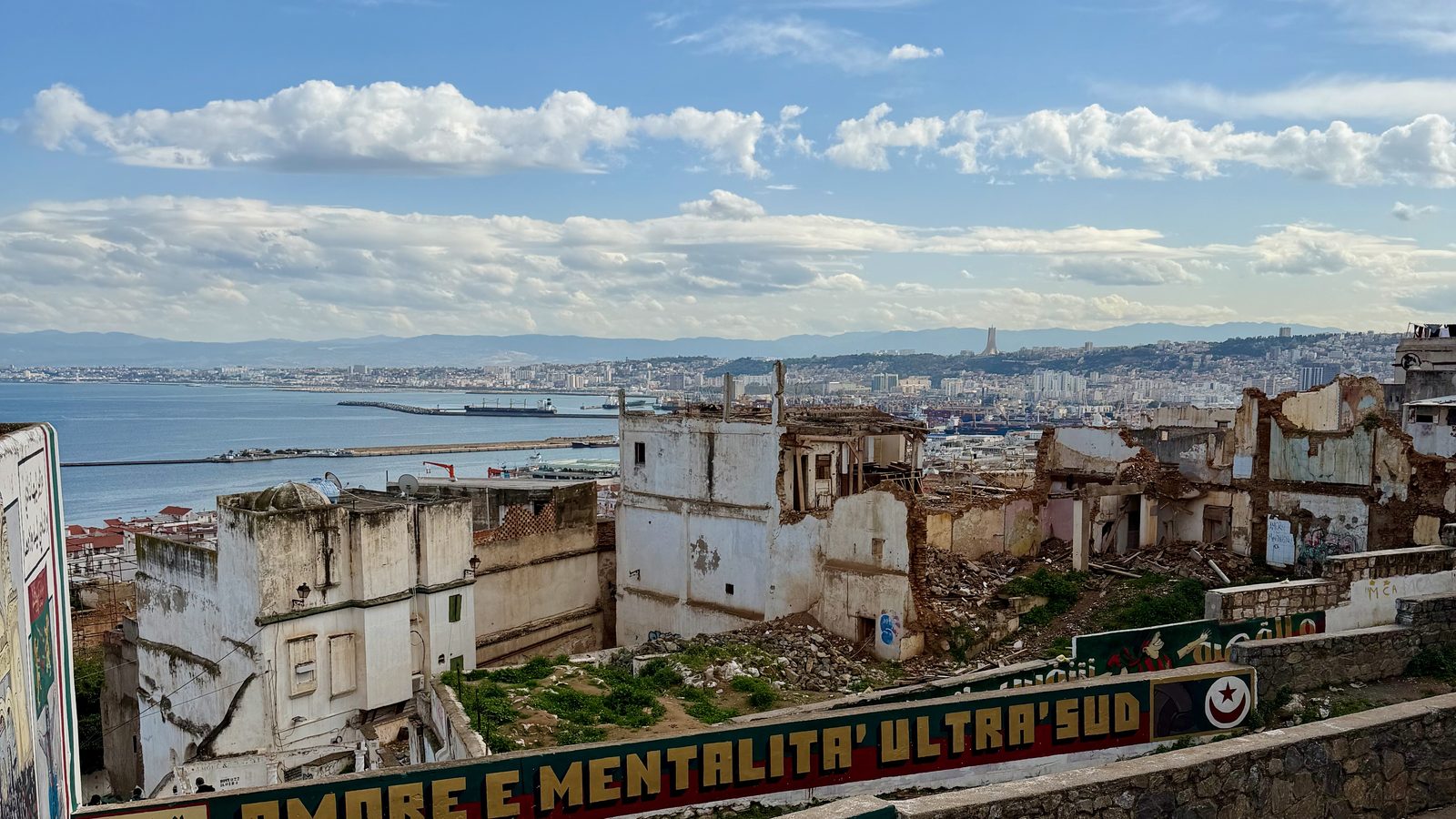
Algiers (Icosium). Start of the trail. Phoenician, then Roman, then everything since, piled on one hillside like strata. Came for the ancient layer. Stayed for the modern one. “Underrated” doesn’t begin to cover it.
Tipaza. West along the coast. Phoenician trading post, promoted to Roman colony under Claudius. Temples, theater, amphitheater and necropolis, all tumbling down a headland toward the sea. Mediterranean in every sightline. The Romans knew real estate.
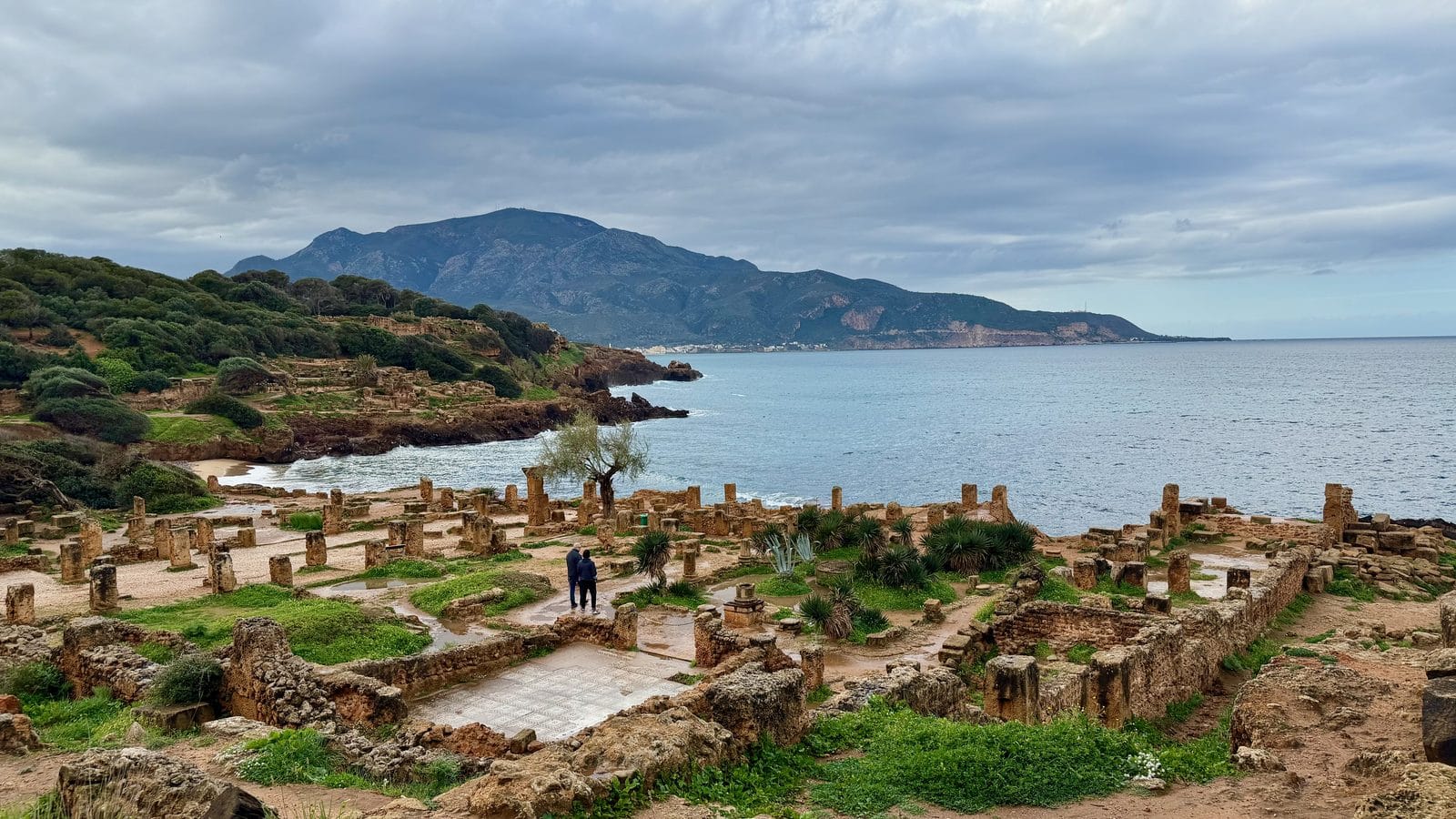
Cherchell (Caesarea). Farther west. Royal capital of Juba II, the king who wrote books, and Cleopatra Selene, daughter of Antony and Cleopatra. The best power couple nobody teaches. The museum is a treasure room: sculpture and mosaics that should have a line out the door.
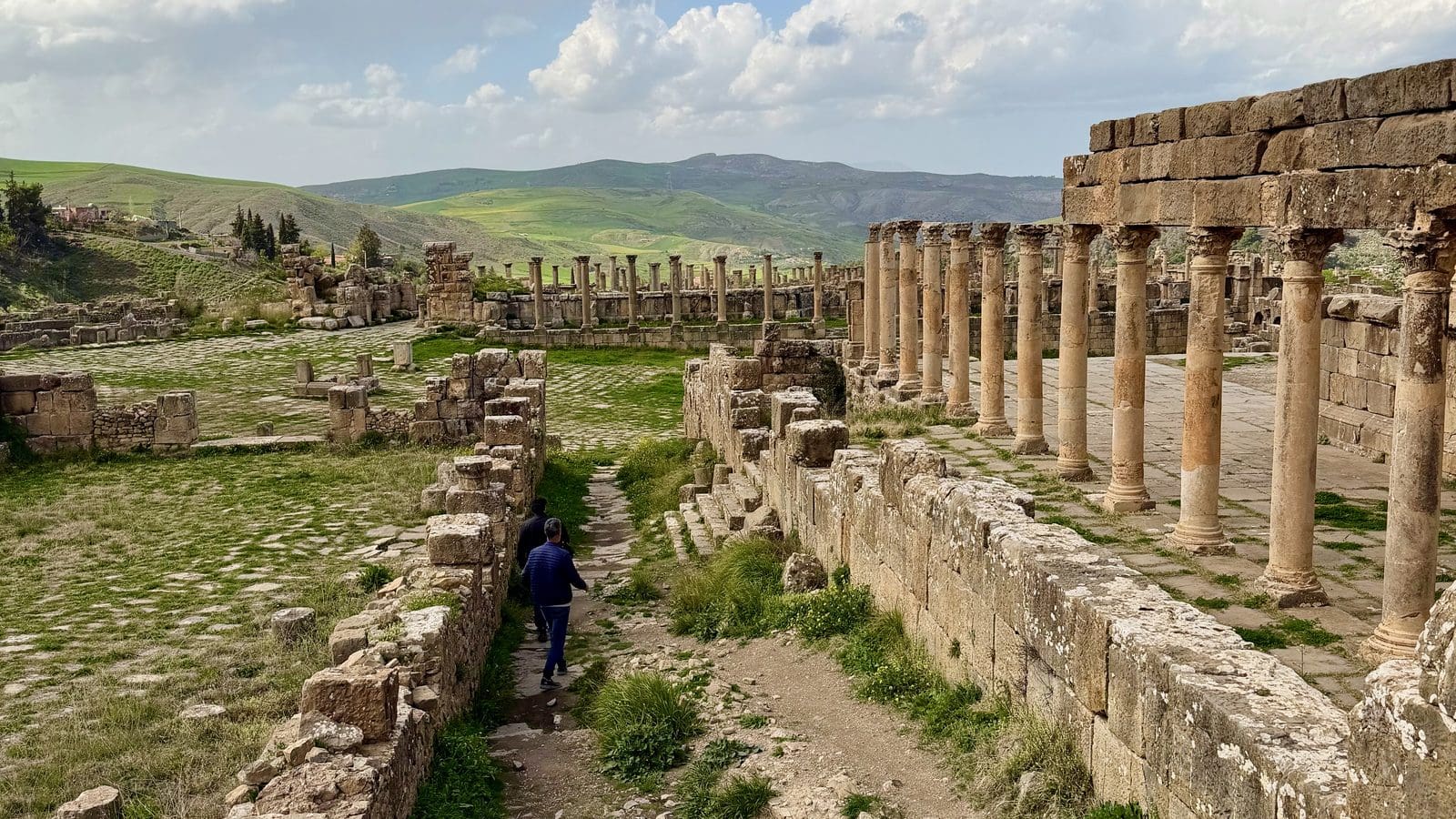
Djemila (Cuicul). Inland and up. 900 meters, on a narrow triangular plateau. The name means “beautiful.” Confirmed. So little room that the theater had to go outside the walls. Roman grid versus mountain: mountain wins on points. Mosaics among the best anywhere.
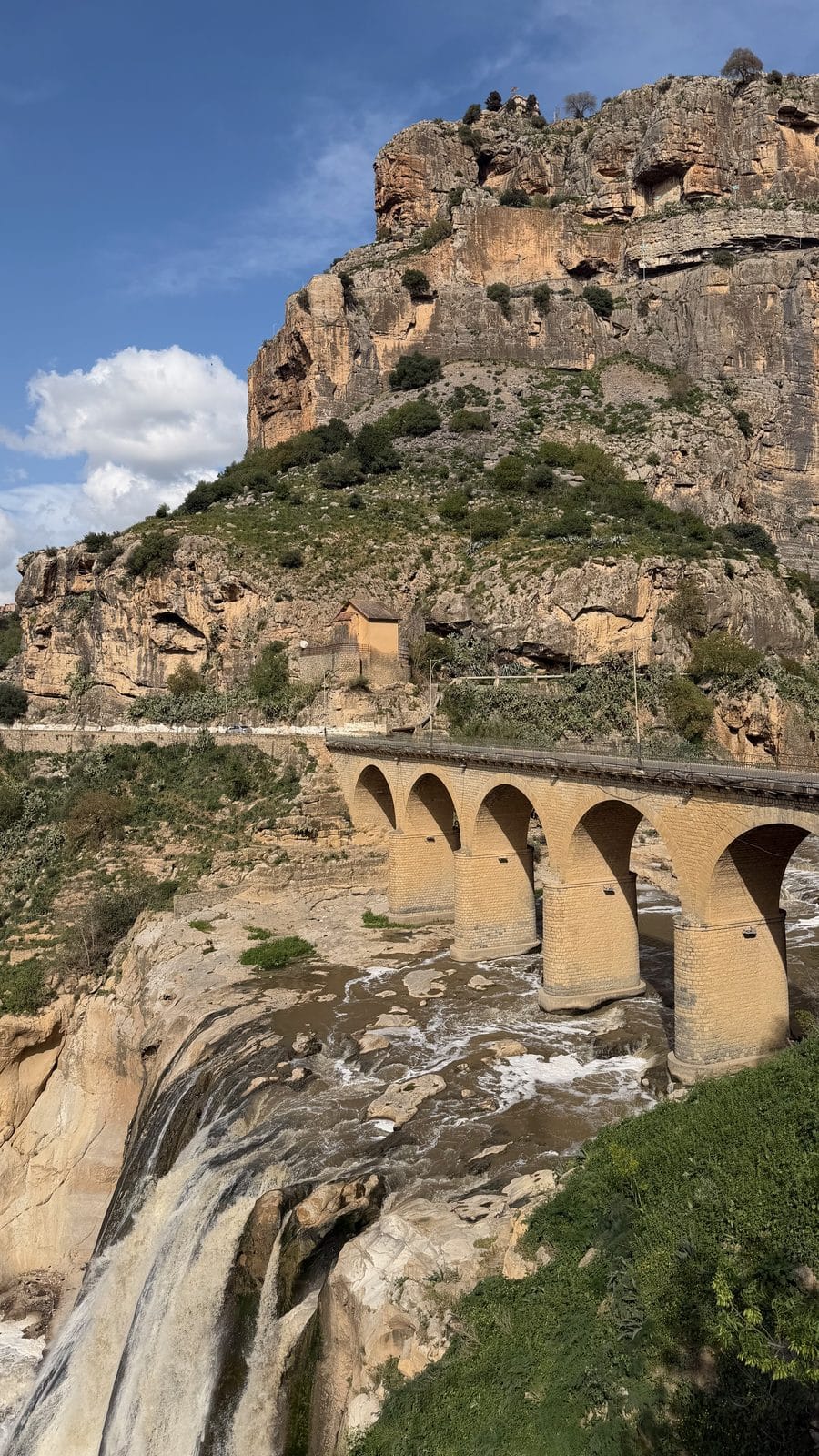
Constantine (Cirta). Old Numidian capital. Wrecked in civil war, refounded in 313 by the emperor whose name it still carries. The whole city hangs over the Rhumel gorge. Do not look down. Vertigo as urban planning.
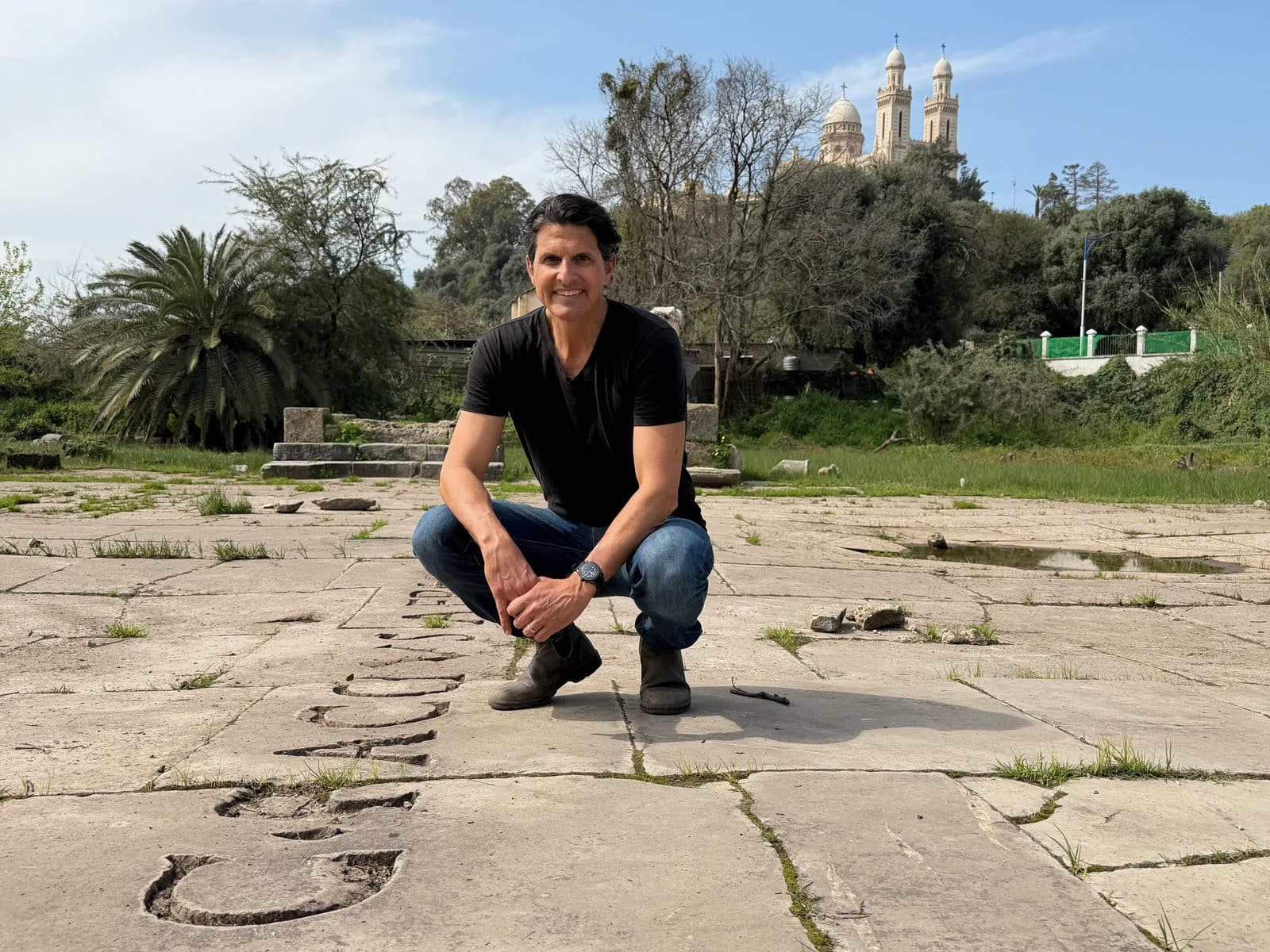
Annaba (Hippo Regius). Back to the coast. Augustine was bishop here for more than thirty years and died in 430 with the Vandals at the walls. The basilica where he preached is still there to stand in. Voices drop on their own. Stayed tune…
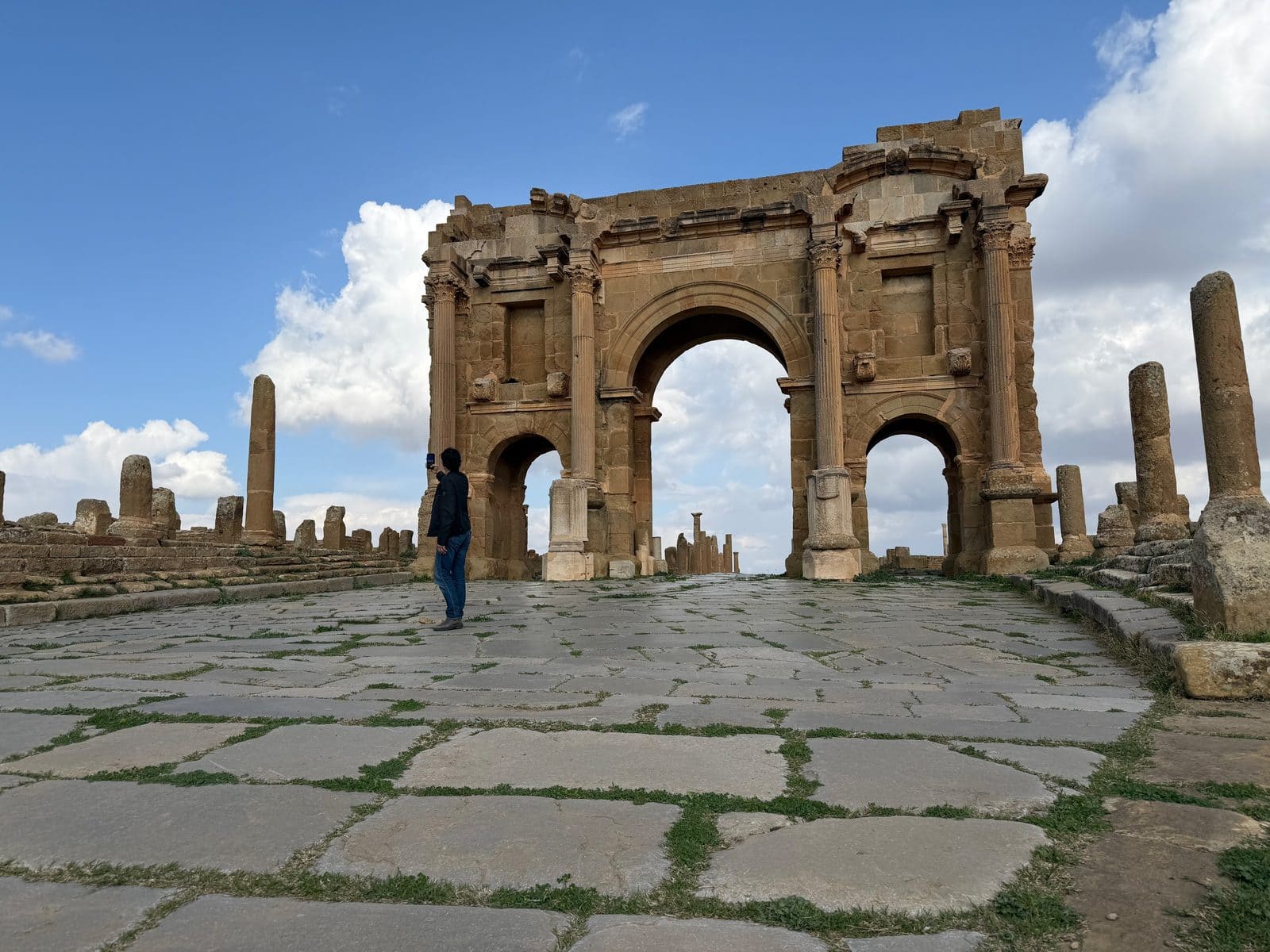
Timgad (Thamugadi). South, toward the desert. Trajan, AD 100: a colony for veterans of the Third Augustan Legion. The grid looks drawn with a ruler, because it was. Planned for about 15,000 and outgrew the plan at once, the most Roman thing imaginable. One citizen put 400,000 sesterces into a public library. Then the sand took the city, and kept it safe. If I could show a student only one Roman city, this might be it.
El Kantara. “The bridge,” in Arabic. Biskra province. A slot in the mountains forty meters wide. The legionaries called it Calceus Herculis, Hercules’ Kick. Locals call it the Mouth of the Desert. Roman bridge at the bottom. Syrian archers were posted here and are thought to have planted the region’s first date palms: soldiers far from home will garden. Through the gap, the Sahara. Here the empire ran out of map.
Sidi Okba. Through the gap and south, near Biskra. One of the oldest Muslim monuments in Algeria: the mosque and tomb of Uqba ibn Nafi, the Arab general killed in an ambush in 683. The imam welcomed us in and led us down to the foundations. Roman columns. Still holding. Archaeologists call reused stone spolia, which sounds like theft. Here it looked like continuity. Same columns, new prayers, someone still minding the building. Better preservation plan than most I’ve seen.