
One week, seven ancient cities.
I’m home, I’ve unpacked, and I still can’t quite believe I was there. Libya is the trip archaeologists dream about and almost never get to experience. Greek temples on a scale to rival the Parthenon, a harbor drowned by earthquakes, a painted leopard hunt that spent centuries buried under the dunes. Most governments will tell you not to go. Some of its best museums are closed to the public. I went anyway.
And I went because of a ramp. In 2023 Storm Daniel tore through the ancient city of Cyrene, cutting into unexcavated ground and wrecking the path down to the Sanctuary of Apollo. In response, Ancient Rome Live awarded a $100,000 ECL grant to ASOR and the Libyan Department of Antiquities for the Cyrene Conservation Initiative. I was invited to see the progress of the work and experience Ancient Rome in Libya first hand. I came home with the best week of my working life. What follows is the trail, from Benghazi’s battered shore to the dunes of Leptis Magna.
Benghazi (Berenice). First stop: the city’s heritage directors took us through the museum, which is still closed to the public. Downtown was badly damaged in the war and is being rebuilt at startling speed. On the shore lie the ruins of Berenice, founded by Greeks as Euesperides and renamed for a Ptolemaic queen, with an Italian lighthouse from 1922 standing guard. You feel two things at once here: how much was lost, and how stubbornly people intend to get it back.
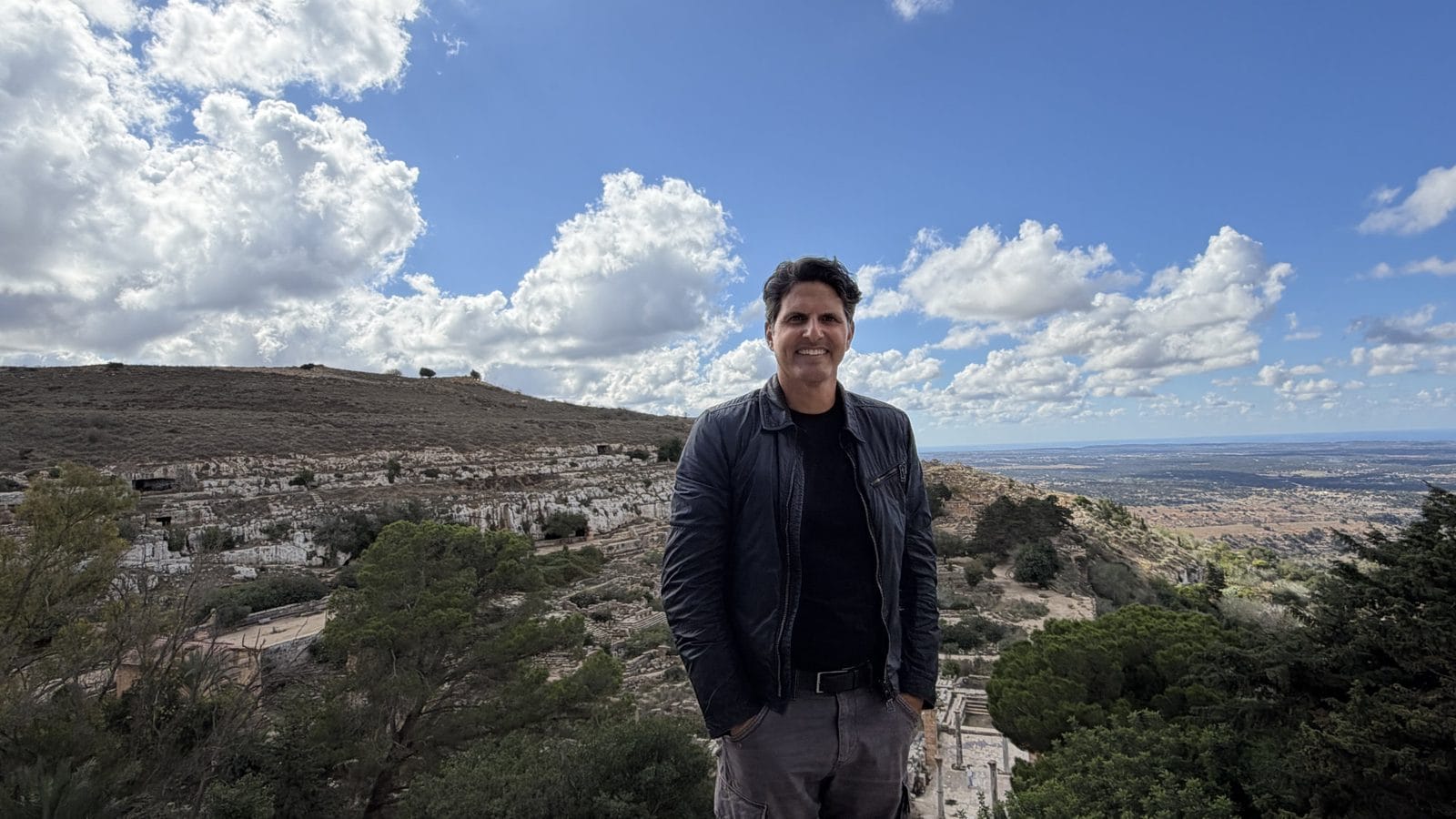
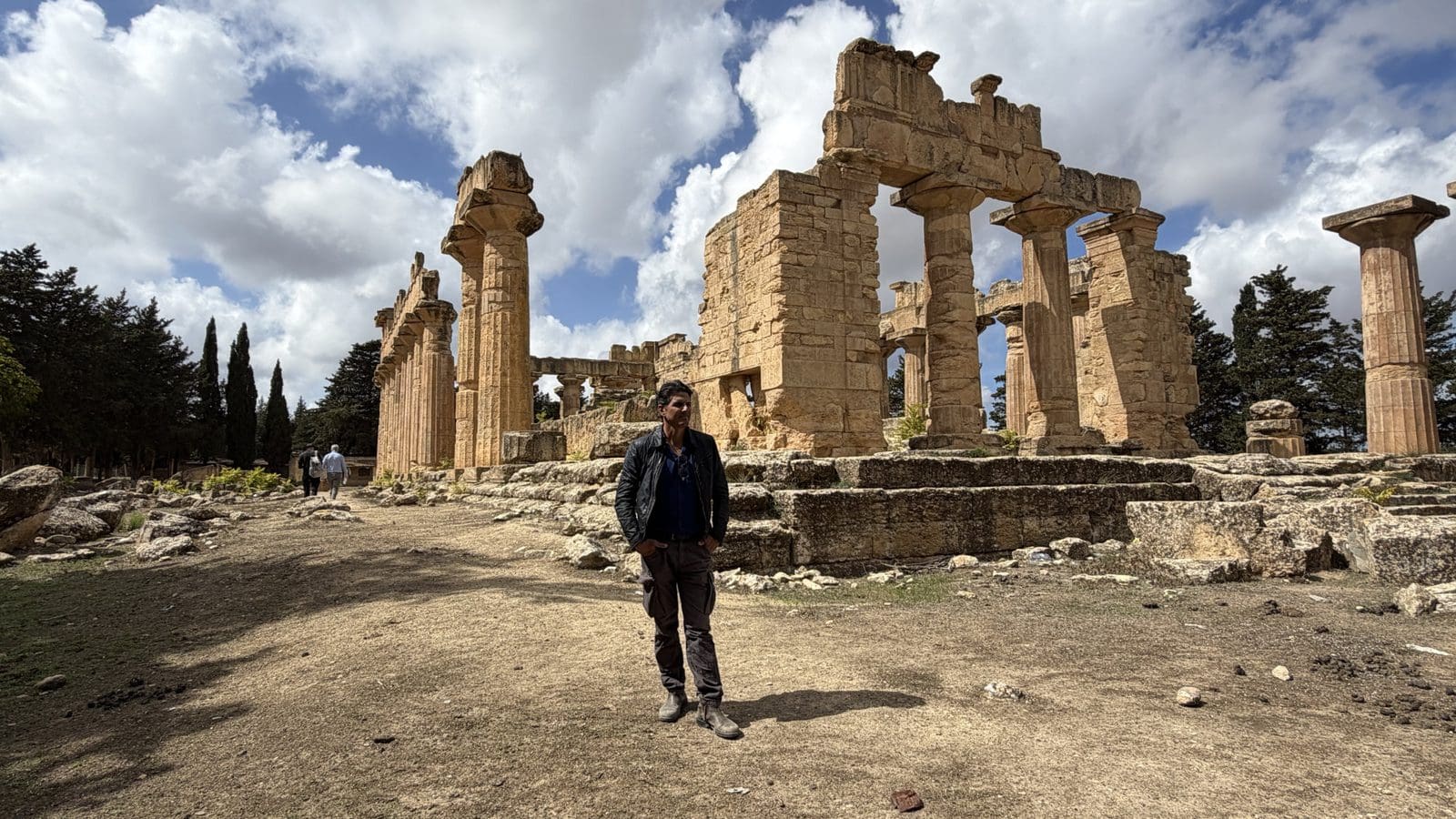
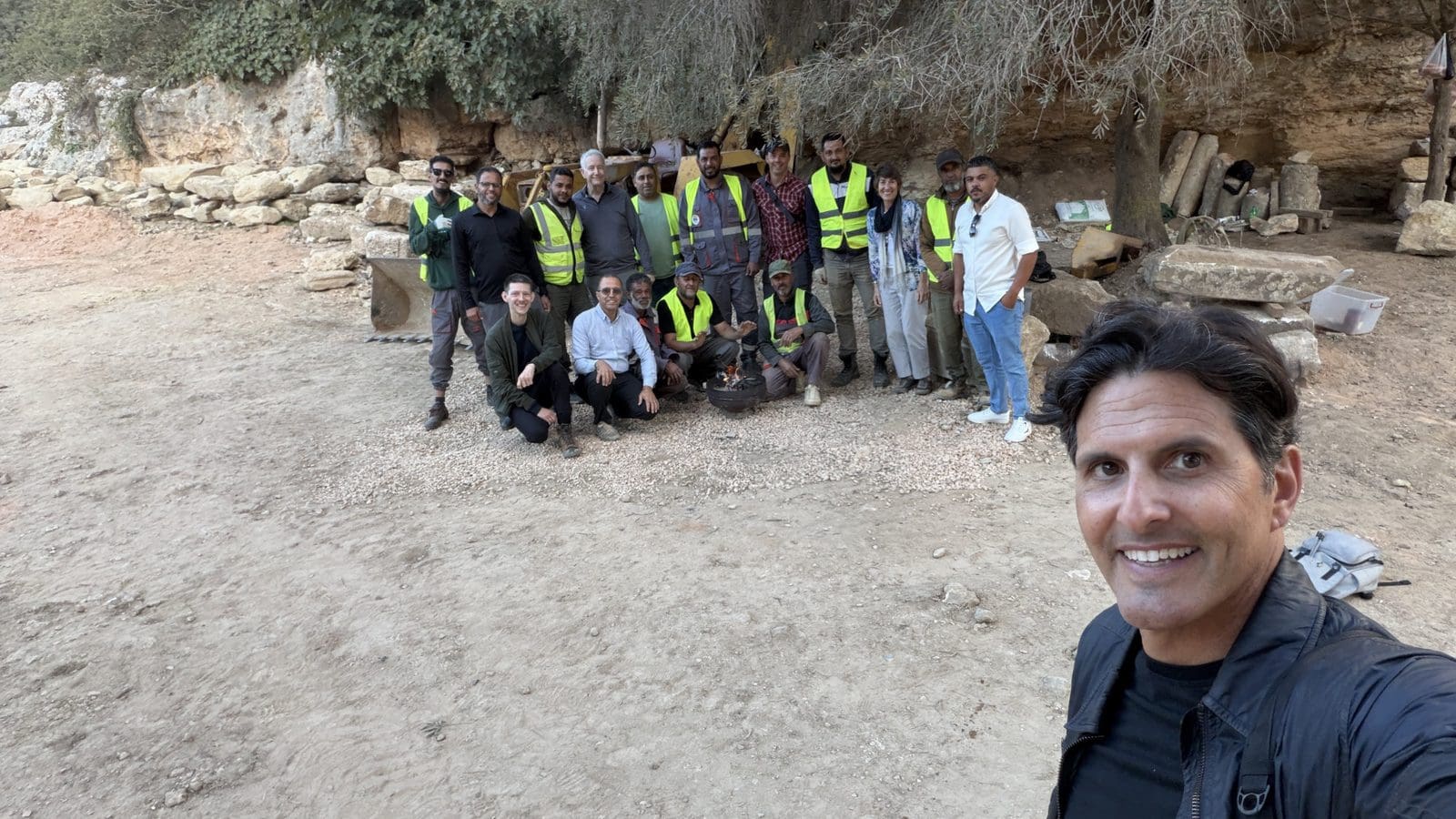
Cyrene. Founded by Greeks from Thera in 631 BC, and hometown of Eratosthenes, the man who measured the earth with a stick and a shadow. In September 2023 Storm Daniel, which killed thousands in nearby Derna, sent floodwater through the site. It cut into unexcavated ground and wrecked the ramp linking the upper city to the Sanctuary of Apollo. I walked that ramp. It is cleared and open, the Mithraeum is safe, and there are new signs in Arabic and English. The team who did the work told us it has given them hope for the site. Nothing on this trip beat standing there with them.
The next job is putting the city’s ancient drains back to work, so the next storm does less harm. Ancient engineers, still on the payroll. Then the rest of the city: the agora, the forum, and a Temple of Zeus the size of the Parthenon and older. Cyrene is vast, beautiful, and almost nobody has seen it.
Apollonia and Tocra. Apollonia was Cyrene’s port, twenty kilometers away on the coast. Earthquakes dropped the Greek harbor beneath the sea, and Byzantine churches line the shore above it. A drowned harbor is exactly as tempting as it sounds. Then Tocra, ancient Taucheira, another old Greek city, later refortified by Justinian.
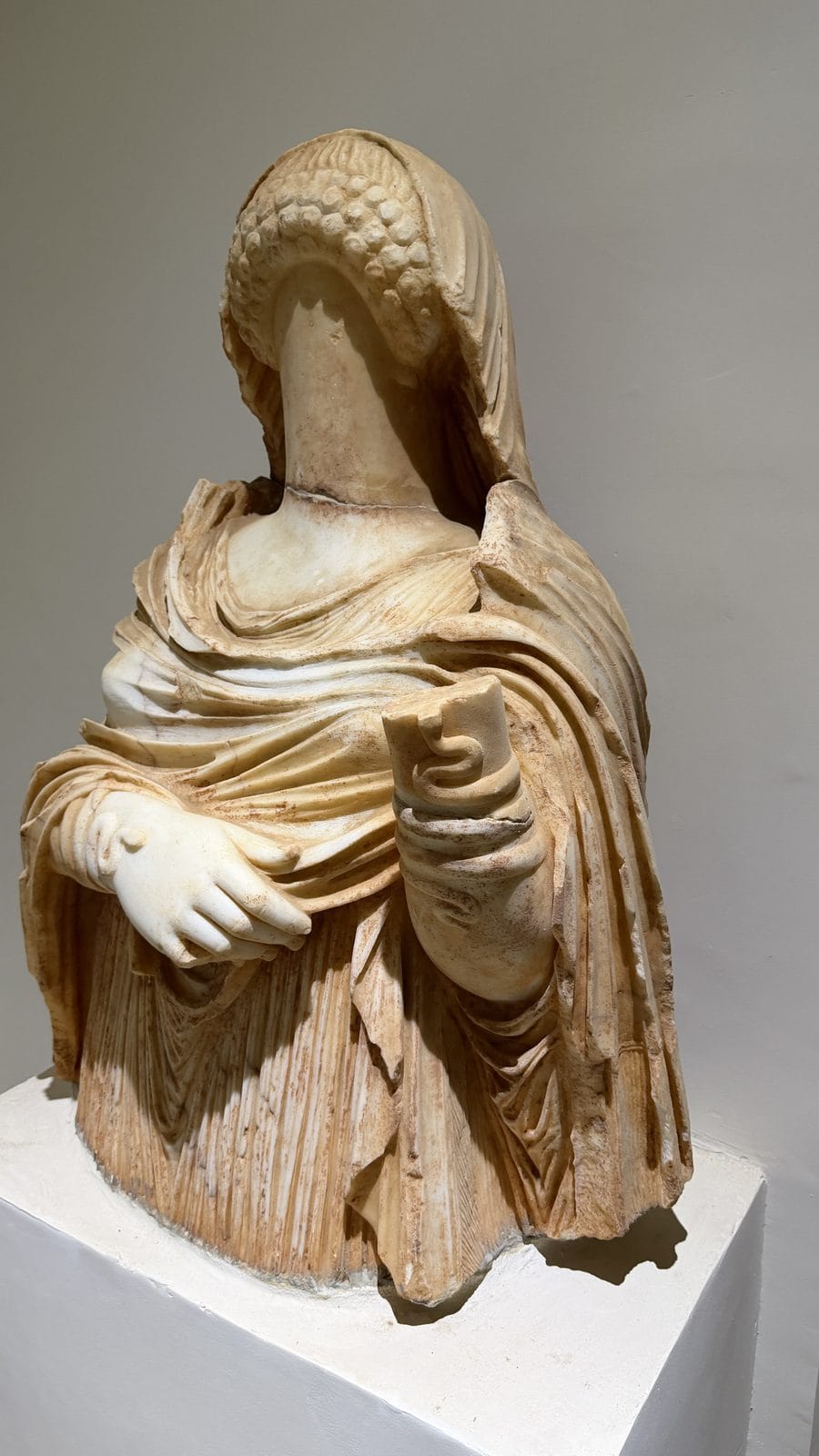
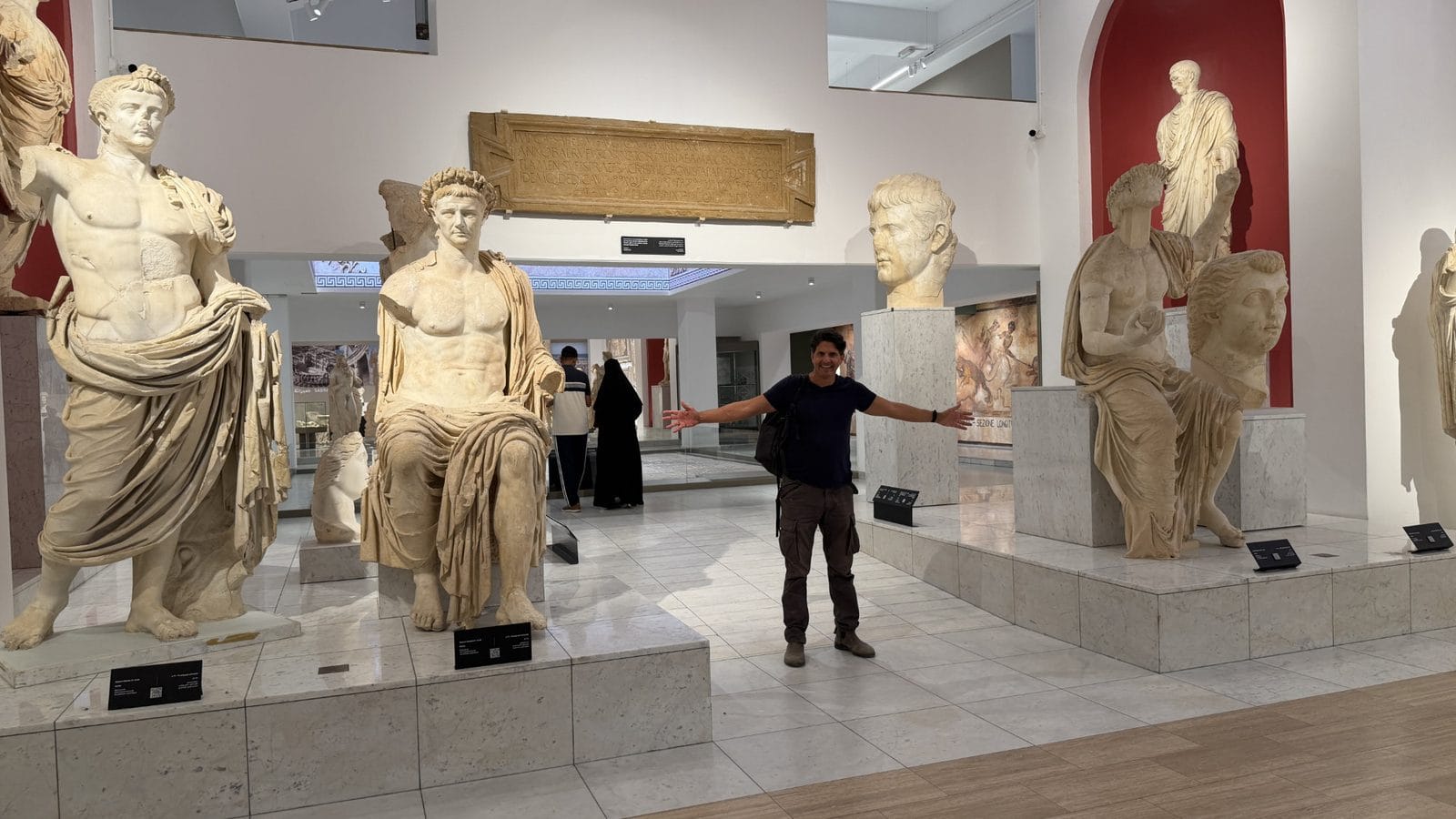
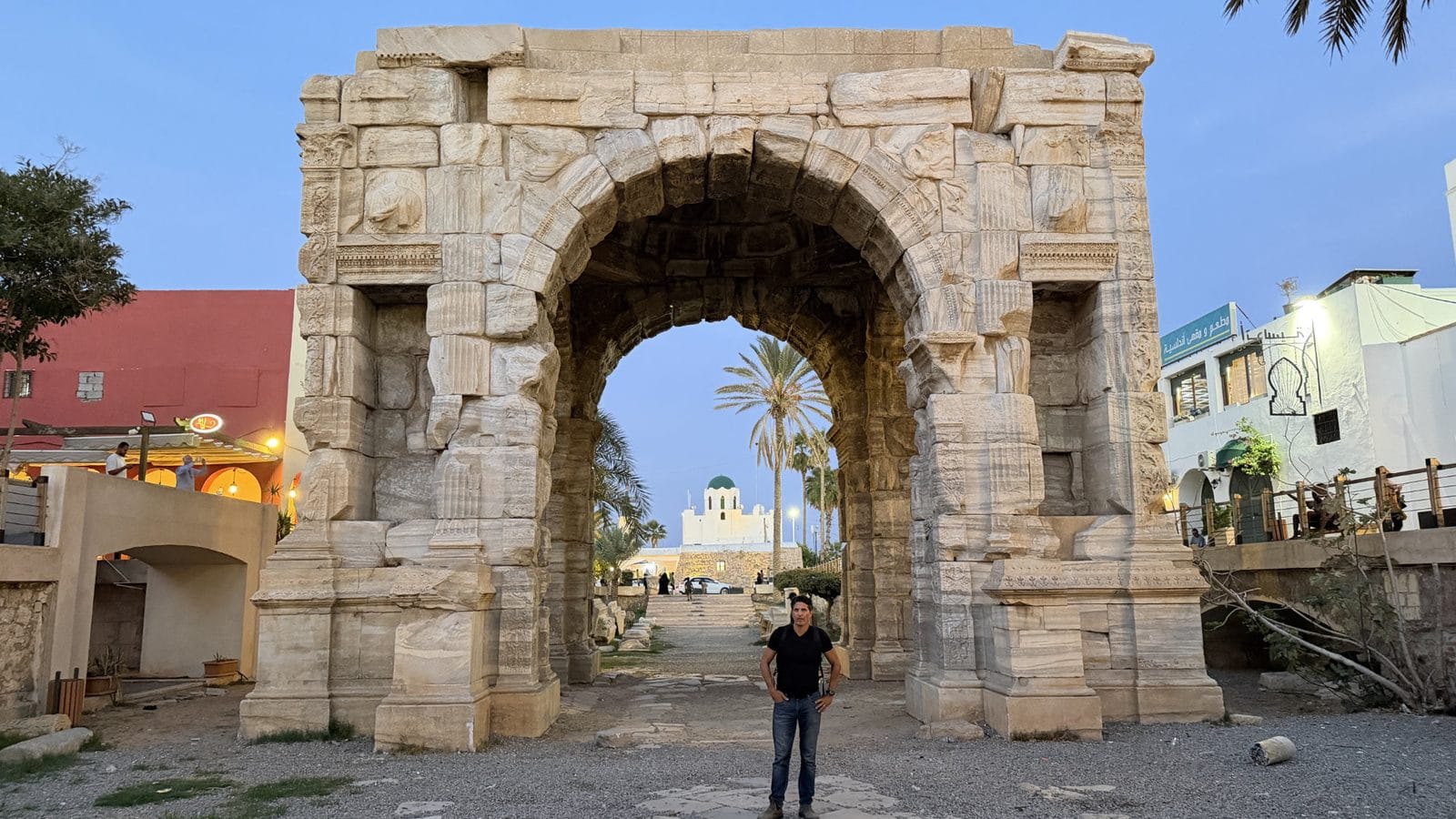
Tripoli (Oea). A flight west, then straight to the Arch of Marcus Aurelius: AD 165, four-sided, marble throughout. Next, the museum in the Red Castle, reopened in December 2025 after fourteen years, and world-class. Libya’s head of cultural heritage gave us his time, then showed us the storerooms and archives. Storerooms are where a museum keeps its secrets, and I could have stayed a week.
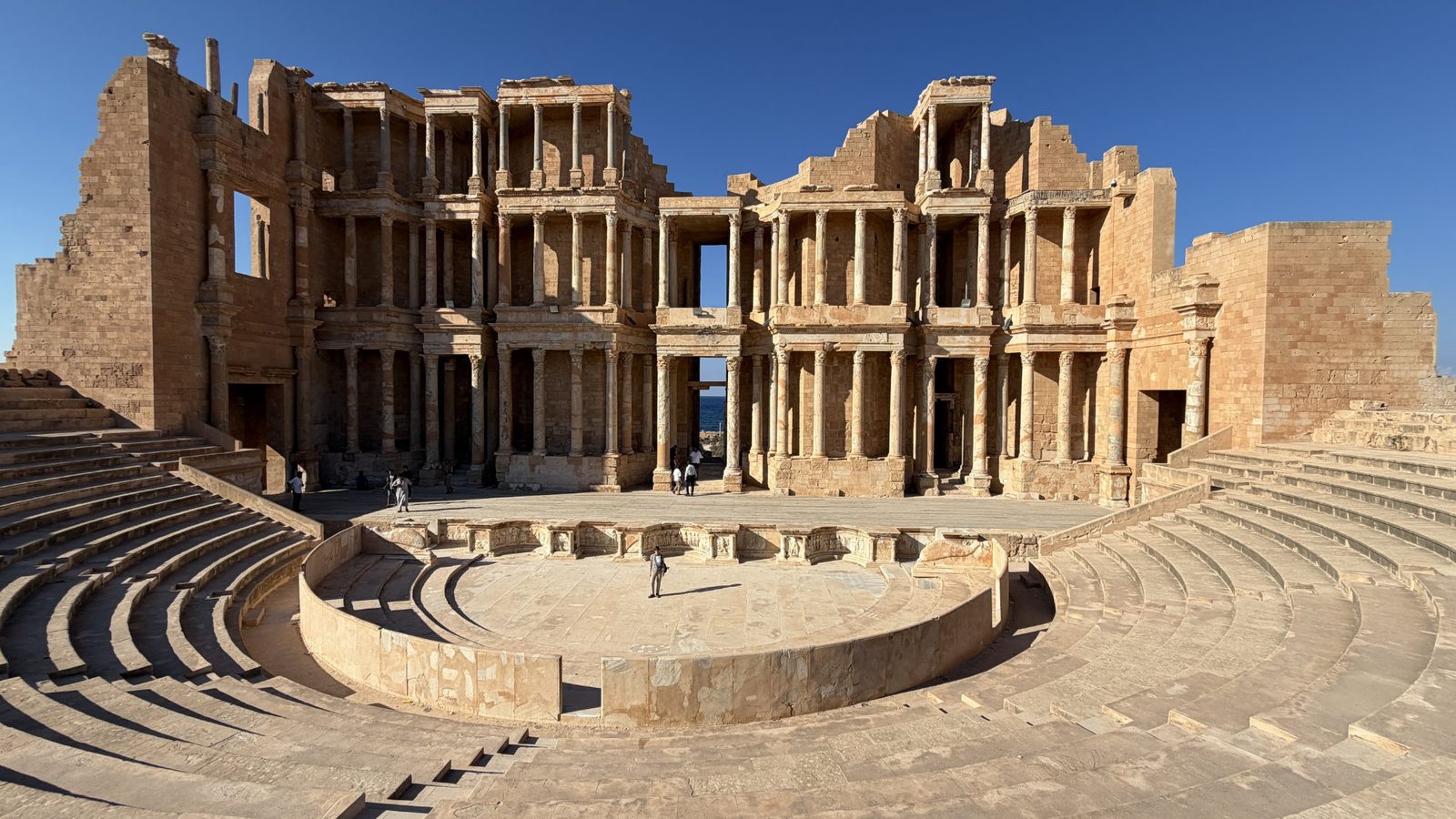
Sabratha. A Phoenician trading post turned rich Roman port, with one of the most beautiful theaters anywhere, its three-story stage wall standing again. Apuleius, author of The Golden Ass, defended himself here against a charge of magic. I’d have paid for a seat. The threat now is quieter: the sea is steadily eating the soft stone the city is built from.
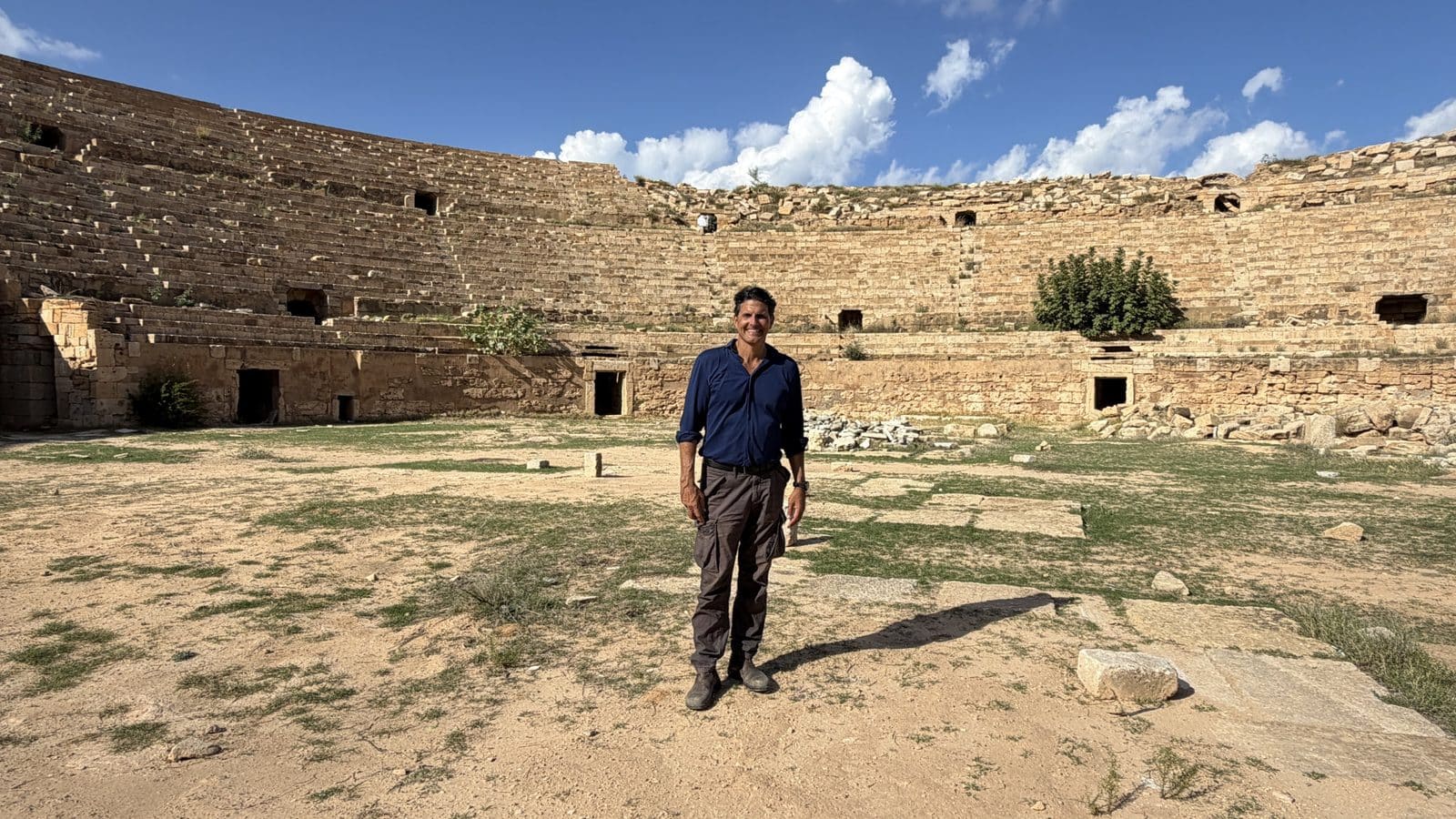
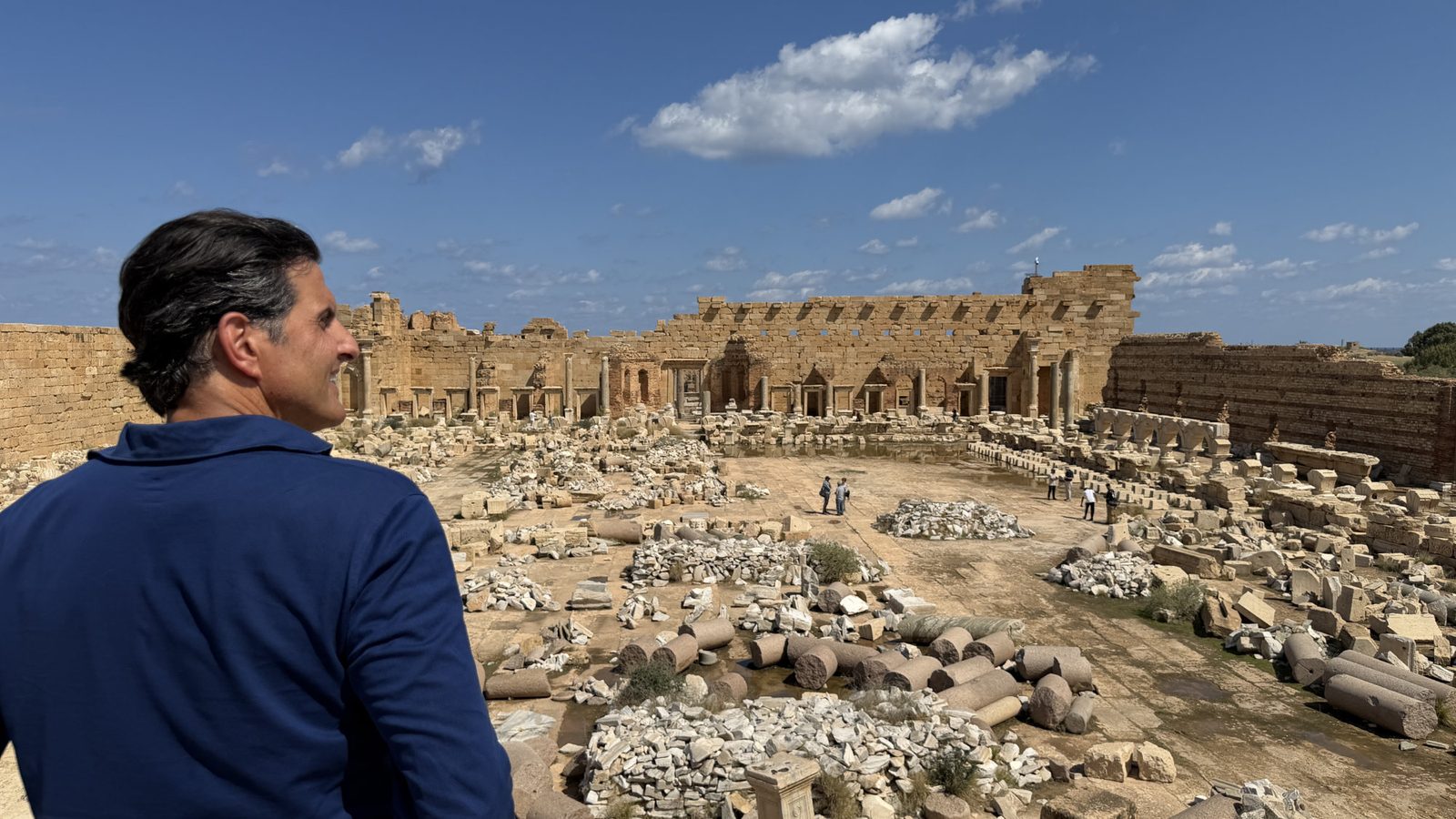
Leptis Magna. The last day, and the one I’ve wanted for as long as I’ve been an archaeologist. We began at the Hunting Baths, domes and vaults intact, a painted leopard hunt still on the wall after centuries under the dunes. Then the theater, finished in AD 1 or 2 and paid for by a local benefactor, Annobal Tapapius Rufus: a Punic name on a Roman theater, which tells you most of what you need to know about this coast. Then the forum and basilica Septimius Severus built for his hometown, and the circus beside the sea. I ran out of superlatives before lunch.
The people. The sites were incredible. The people were better. At every stop, heritage officials and archaeologists met us, welcomed us in, walked us through their sites and spoke frankly about what threatens them. They were generous, open and relentlessly positive, and they are doing serious work in hard conditions.
Closing note. Everything I saw was world-class, and almost no one gets to see it. We’ll keep supporting the work at Cyrene through 2027, which gives me an excellent excuse to go back. I’m still not sure I believe I went the first time.