

Tour Overview
Rome is not one city but a stack of them, each built from the rubble of the last. Most visitors see only the top layer — the Colosseum, the Trevi, the postcard — and go home. This tour goes down, and behind, and underneath, inspired by Darius’s latest publication Hidden Rome, a special edition for National Geographic.
Over six days we read Rome as a single document written and overwritten across three thousand years: a working-class hill made entirely of smashed ancient jars; a cult chamber to Mithras discovered by accident beneath an old pasta factory; a Caesar-era cemetery unearthed under a Vatican parking structure; an imperial villa most Romans have never seen; a wine estate on the Appian Way run by one of Italy’s oldest families. Each day excavates a single theme — how the city was built, whom it worshipped, how it entertained itself, how it fed itself from the sea, and how it buried its dead.
We travel in December on purpose. The light is low and gold, the crowds have gone home, and several of the doors that stay firmly shut in high season open quietly for a small group with the right introductions.
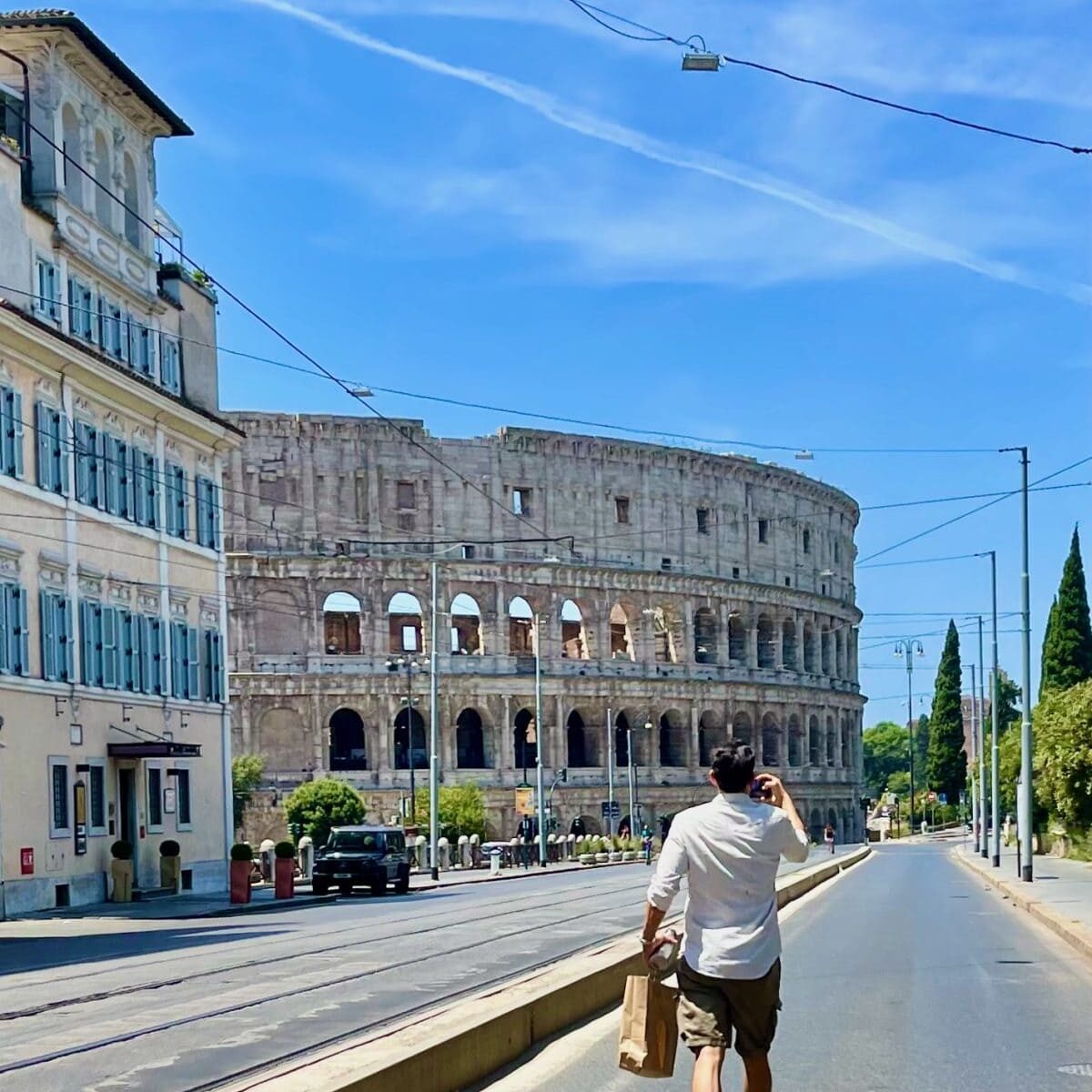

Places You Will Stand
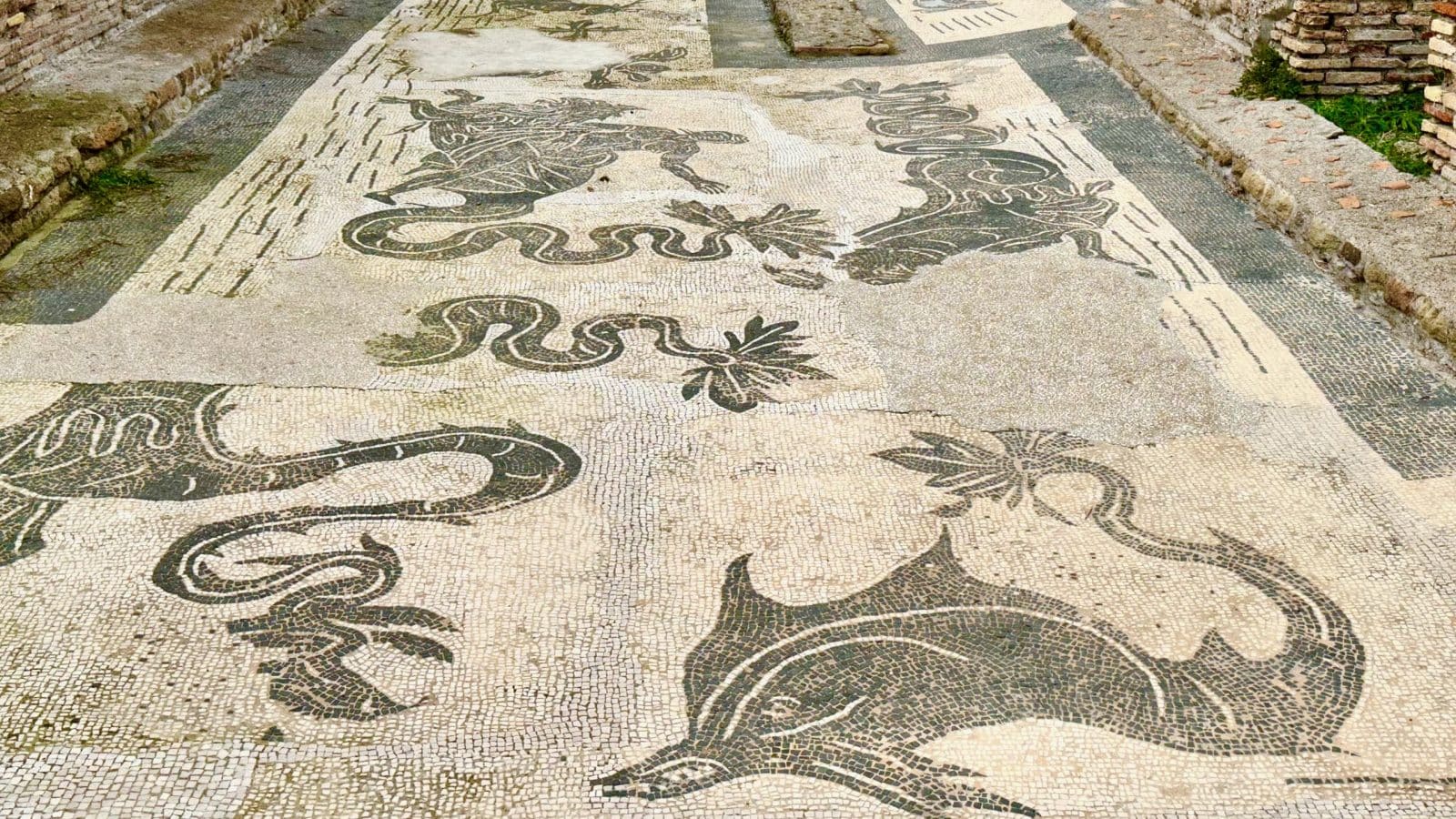
Ancient & archaeological
- Monte Testaccio — the hill built entirely of ancient amphora fragments
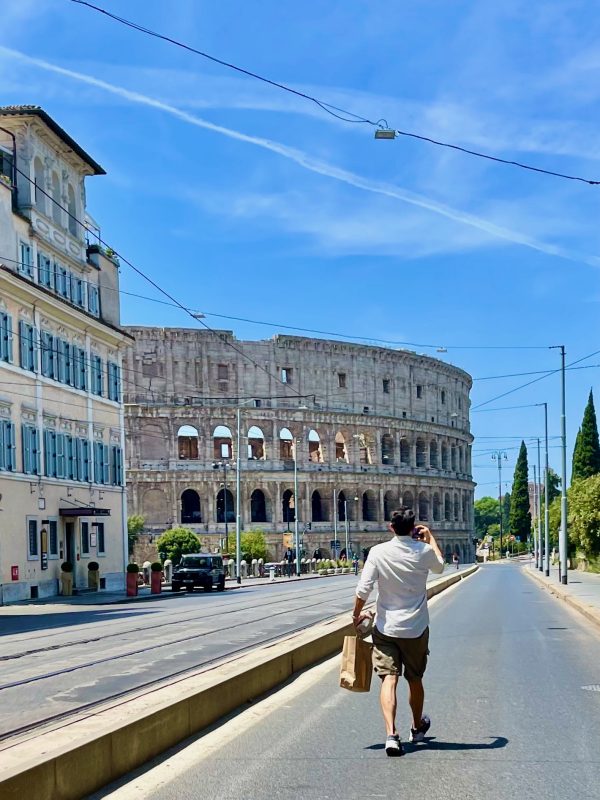
- Colosseum & the Ludus Magnus (gladiator training school)
- Circus Maximus
- Mithraeum of the Circus Maximus (special access, underground)
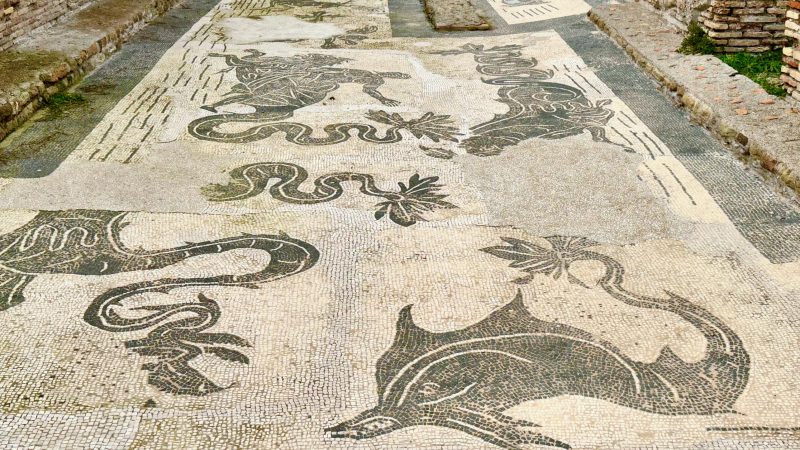
- Ostia Antica — Rome’s remarkably preserved port city
- Isola Sacra necropolis, Portus (access-dependent — see note)
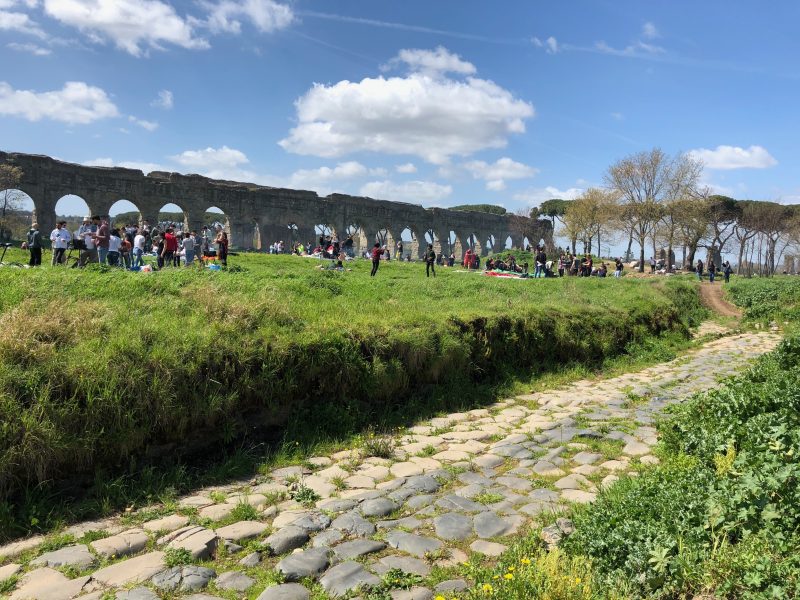
- Parco degli Acquedotti — the great aqueduct arches
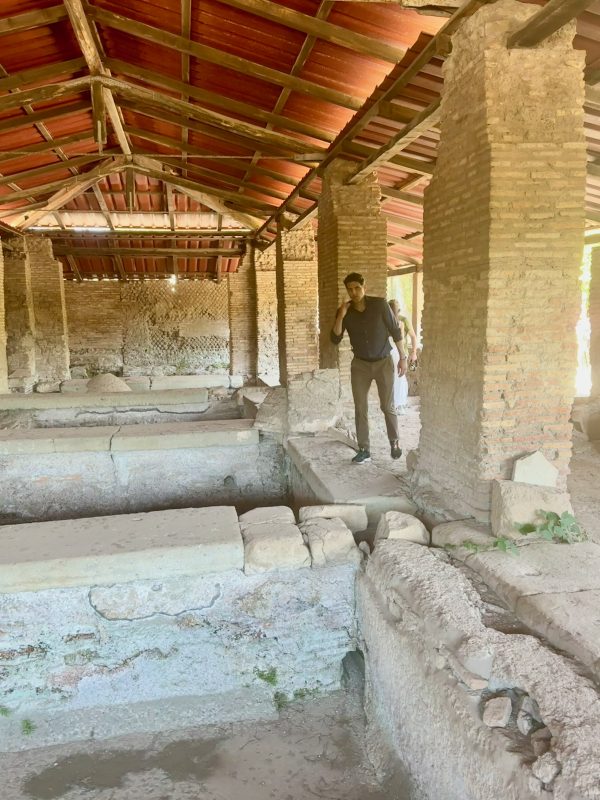
- Villa dei Sette Bassi — a vast, rarely-opened imperial villa (special access)
- The Pantheon — a pagan temple that became a church
- Basilica of San Clemente — three stacked centuries in one building
- Via Triumphalis necropolis, Santa Rosa (special access, Vatican)
Vatican
- Vatican Museums
- The Santa Rosa necropolis of the Caesars (special access)
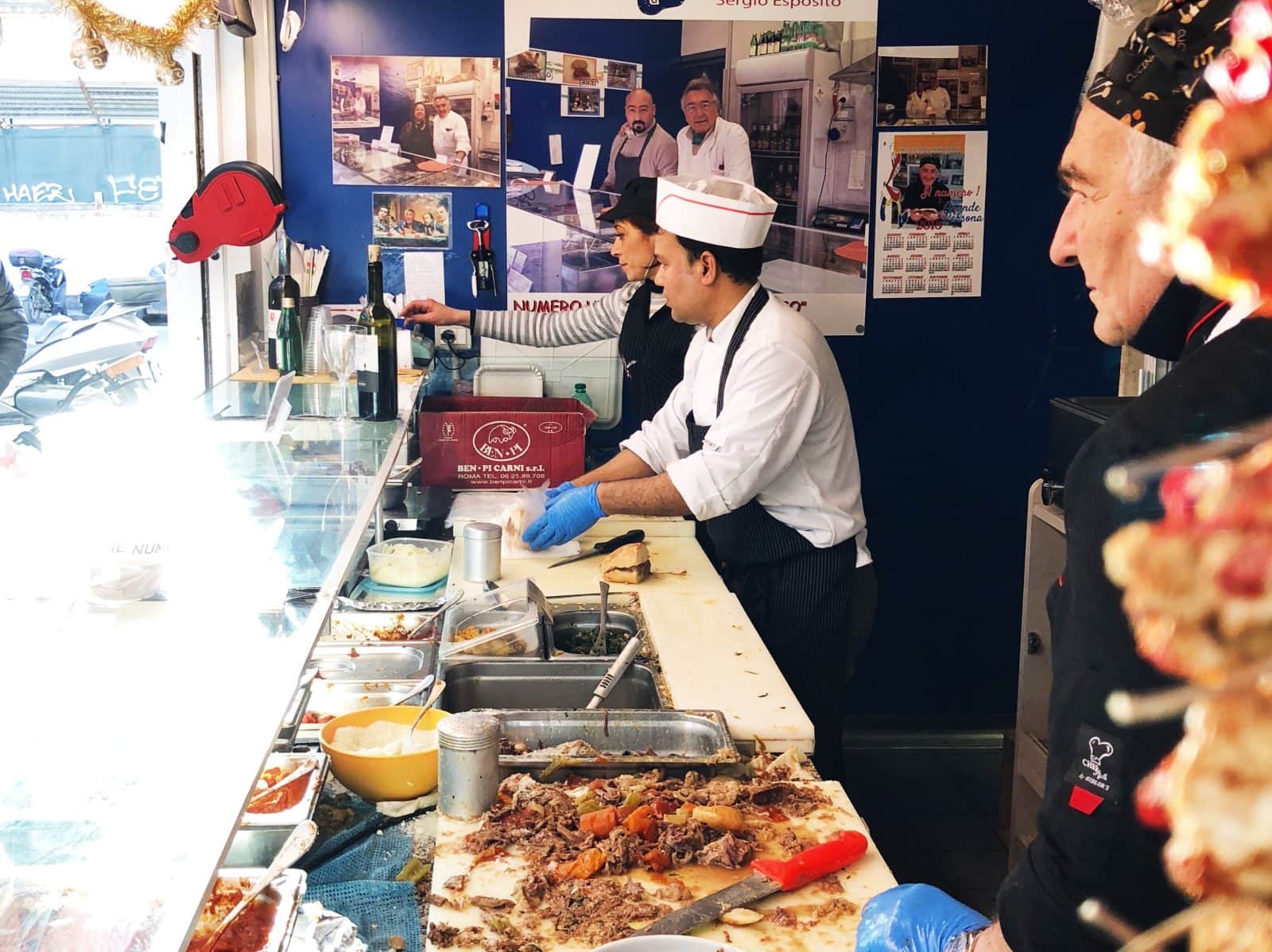
Neighbourhoods & districts
- Testaccio
- The Jewish Ghetto
- EUR — Rome’s rationalist “Square Colosseum” quarter
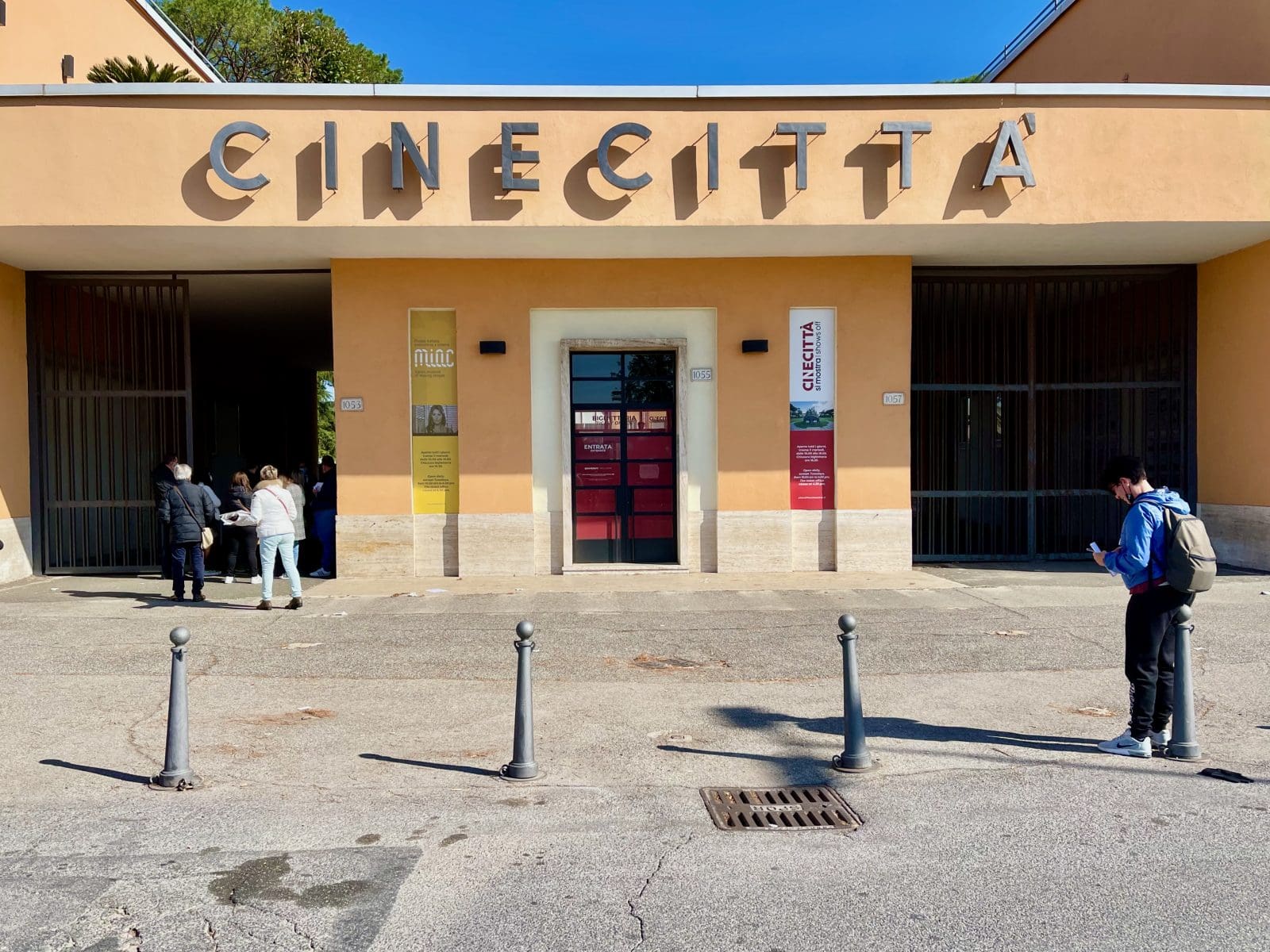
Modern Rome
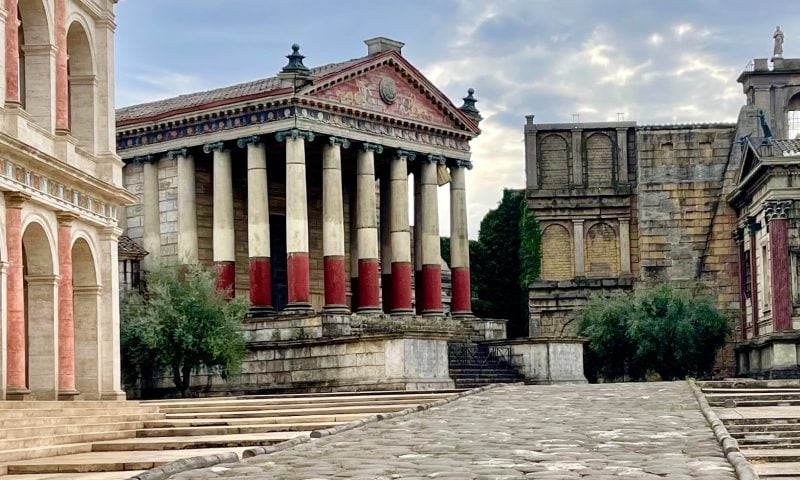
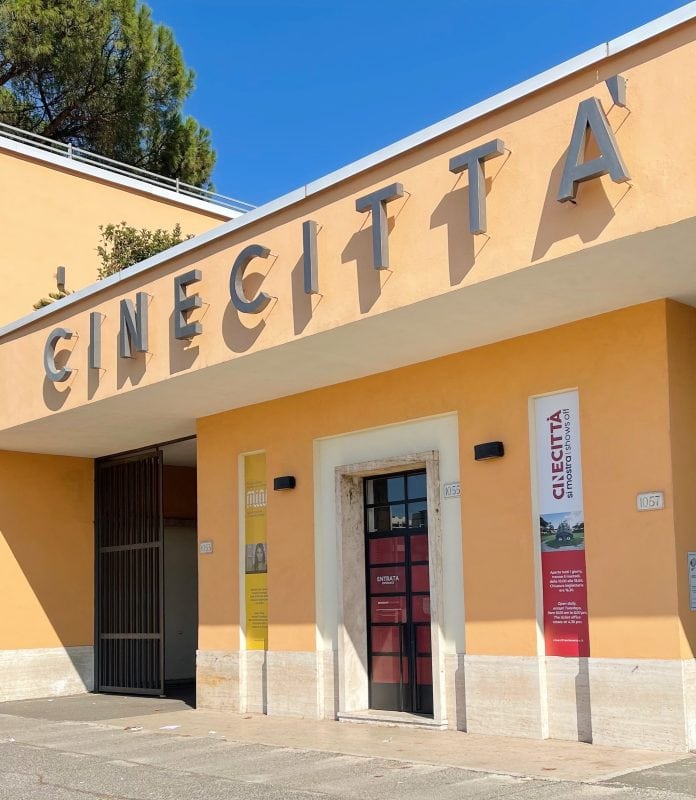
- Cinecittà film studios
Food & wine
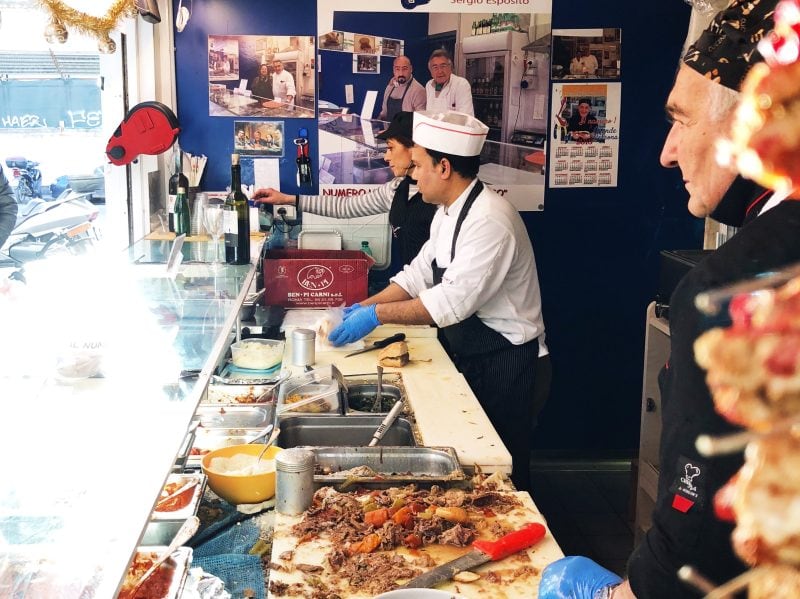
- Testaccio Market with an artisan cheese tasting
- Lunch at Flavio al Velavevodetto — a trattoria carved into Monte Testaccio
- A Roman-Jewish lunch in the Ghetto (carciofi alla giudia)
- Roman pizza
- A private lunch at Fattoria di Fiorano, the Antinori family’s organic estate on the Appia (the farm kitchen, L’Orto di Alberico)
- Welcome and farewell dinners
DAY-BY-DAY ITINERARY
Arrival
Private arrival transfer
Evening welcome dinner
Built on Broken Jars
Monte Testaccio
Testaccio Market & cheese tasting
Lunch at Flavio al Velavevodetto (dug into the amphora hill, shards visible behind glass)
Temples Beneath Churches
The Pantheon
Basilica of San Clemente (three levels)
Roman-Jewish lunch in the Ghetto
Bread, Circuses & the Cult Below
Colosseum & Ludus Magnus
Circus Maximus
Mithraeum of the Circus Maximus (special access)
Roman pizza lunch
The Mouth of the Empire
EUR
Ostia Antica
Isola Sacra necropolis, Portus (access-dependent)
A Cemetery Under the Car Park
Via Triumphalis necropolis, Santa Rosa (special access)
Vatican Museums
Cinema, Aqueducts & Wine on the Appia
Cinecittà film studios (half day)
Private lunch at Fattoria di Fiorano (L'Orto di Alberico)
Parco degli Acquedotti
Villa dei Sette Bassi (special access)
Farewell dinner
Departure
Private departure transfer
Moments Along the Journey
Travel With Context
Every destination becomes richer when you understand the people who lived there, the events that shaped it, and why it still matters today.
Led by an Archaeologist
Experience Rome alongside someone who has dedicated his career to studying, teaching, and sharing its history.
Thoughtfully Sized Groups
Small groups create space for conversation, flexibility, and meaningful engagement throughout the journey.
Stories Beyond the Guidebook
Discover unexpected connections between archaeology, architecture, food, culture, mythology, and everyday life.
Local Perspective
Benefit from decades of living and working in Rome while exploring both world-famous landmarks and lesser-known places that reveal another side of the city.
What's Included
Included:
Not Included:
From Past Travelers

“Darius made archaeology feel immediate and human. The conversations were just as memorable as the places we visited.”
“Darius has an extraordinary gift for making Rome’s history feel alive. With decades of experience living, working, and studying in the city, he knows its layers like few others. Every story he tells feels like stepping through a portal to Ancient Rome. Exploring the city through his eyes is an unforgettable experience.”
“Darius helped us see connections we never would have noticed on our own. Every place became part of a much larger story.”
“Darius made archaeology feel immediate and human. The conversations were just as memorable as the places we visited.”
Continue Exploring
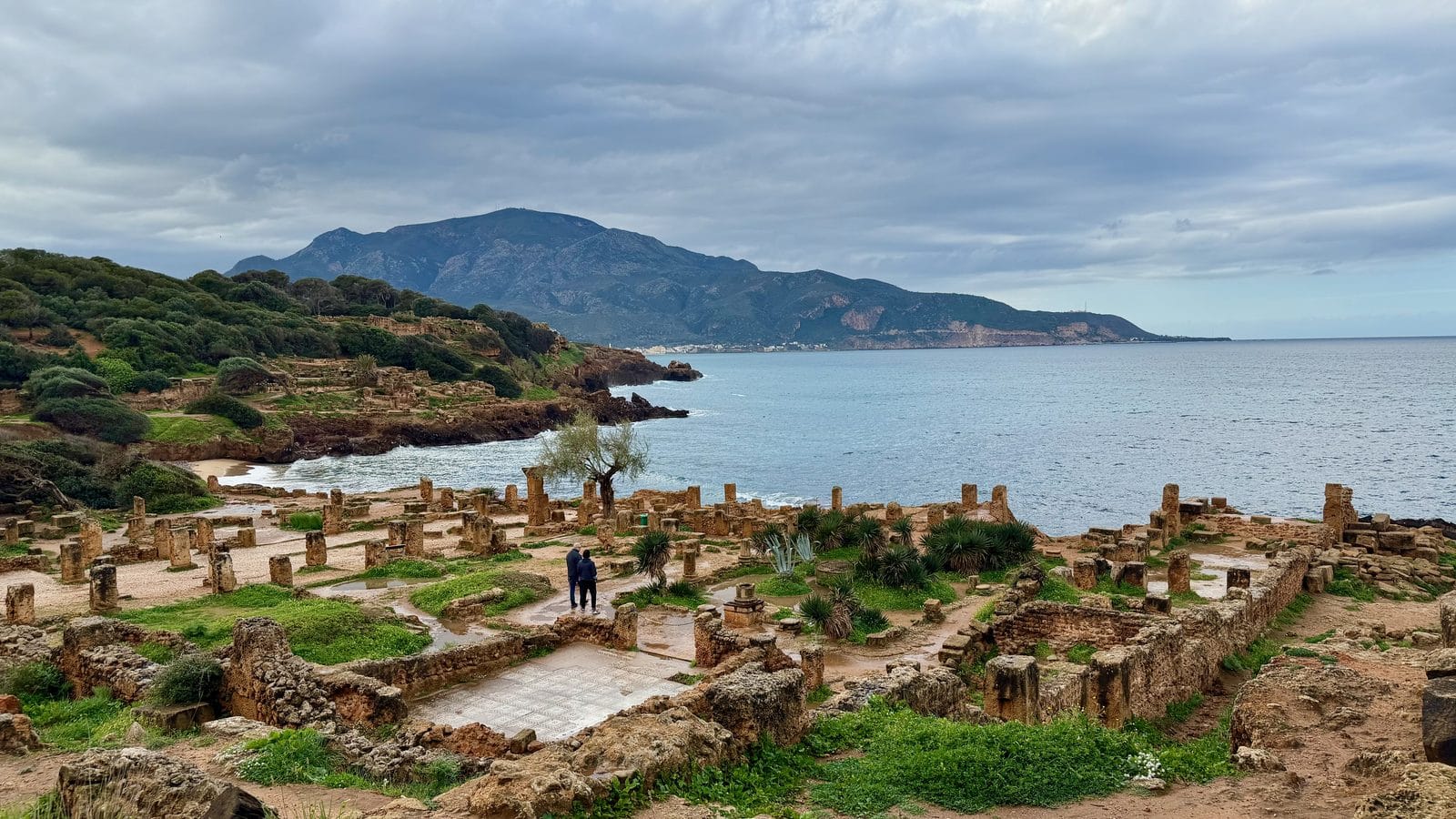
Roman Algeria: Tracing Rome Across the Sahara’s Edge
The Odyssey in Sicily
Journey to Jordan